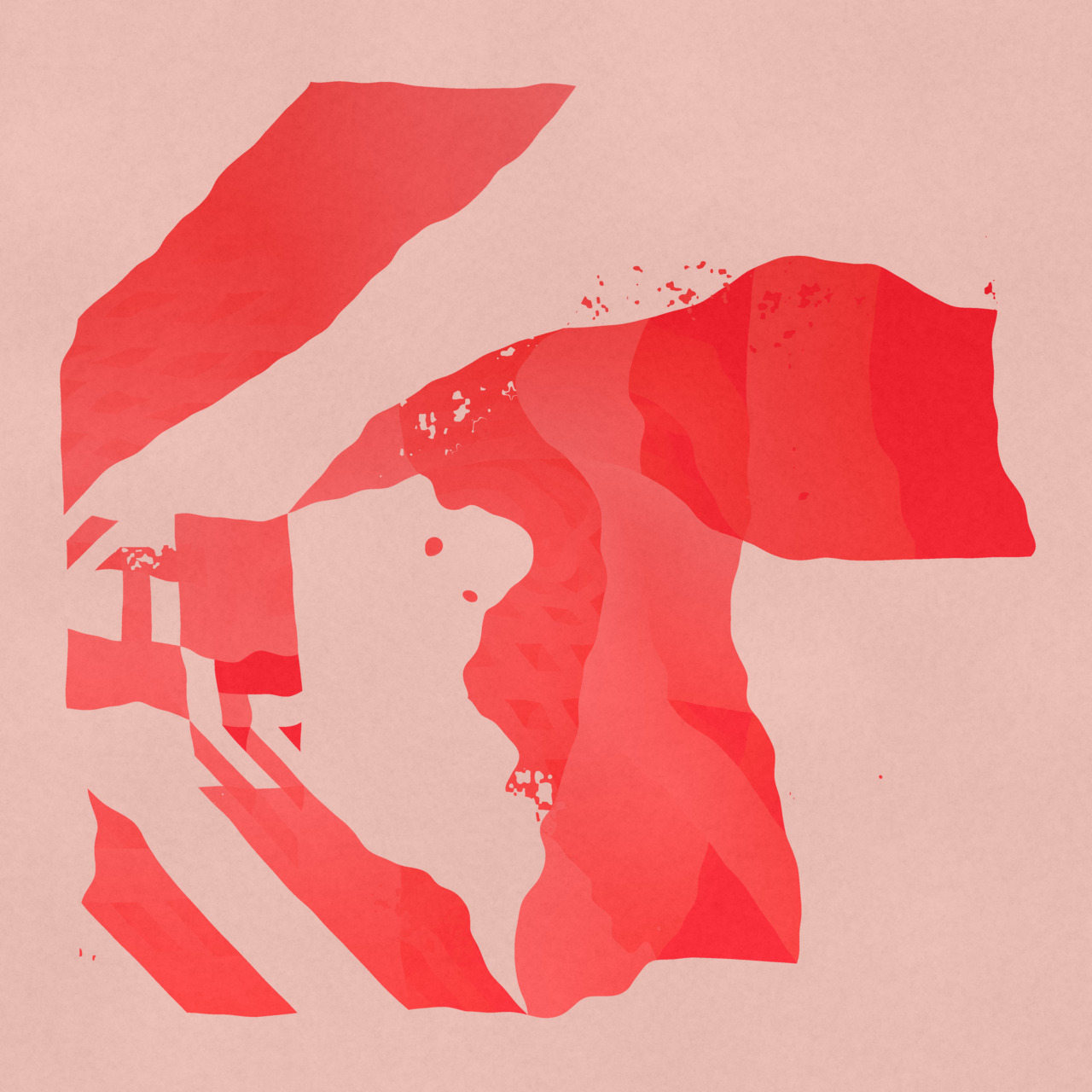
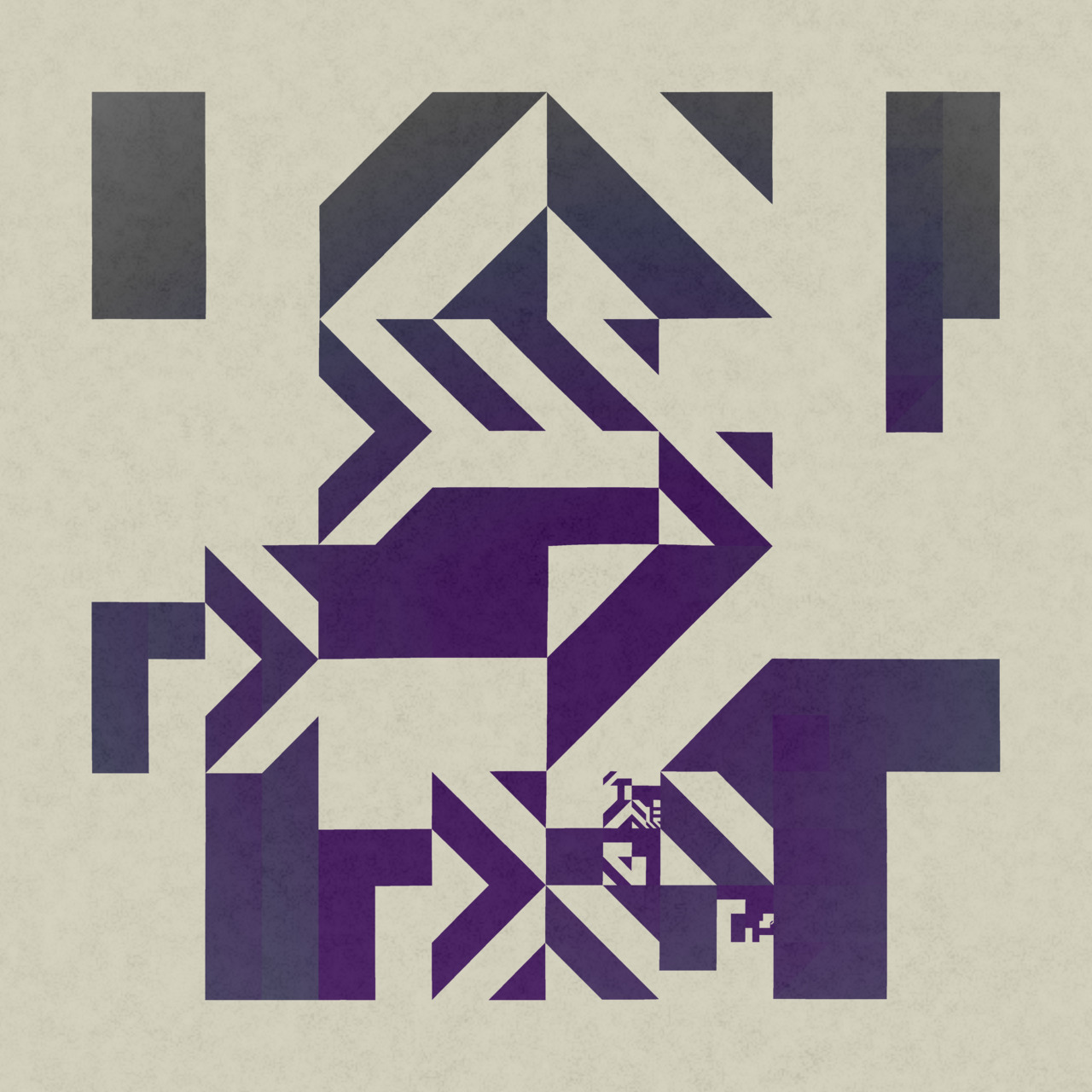
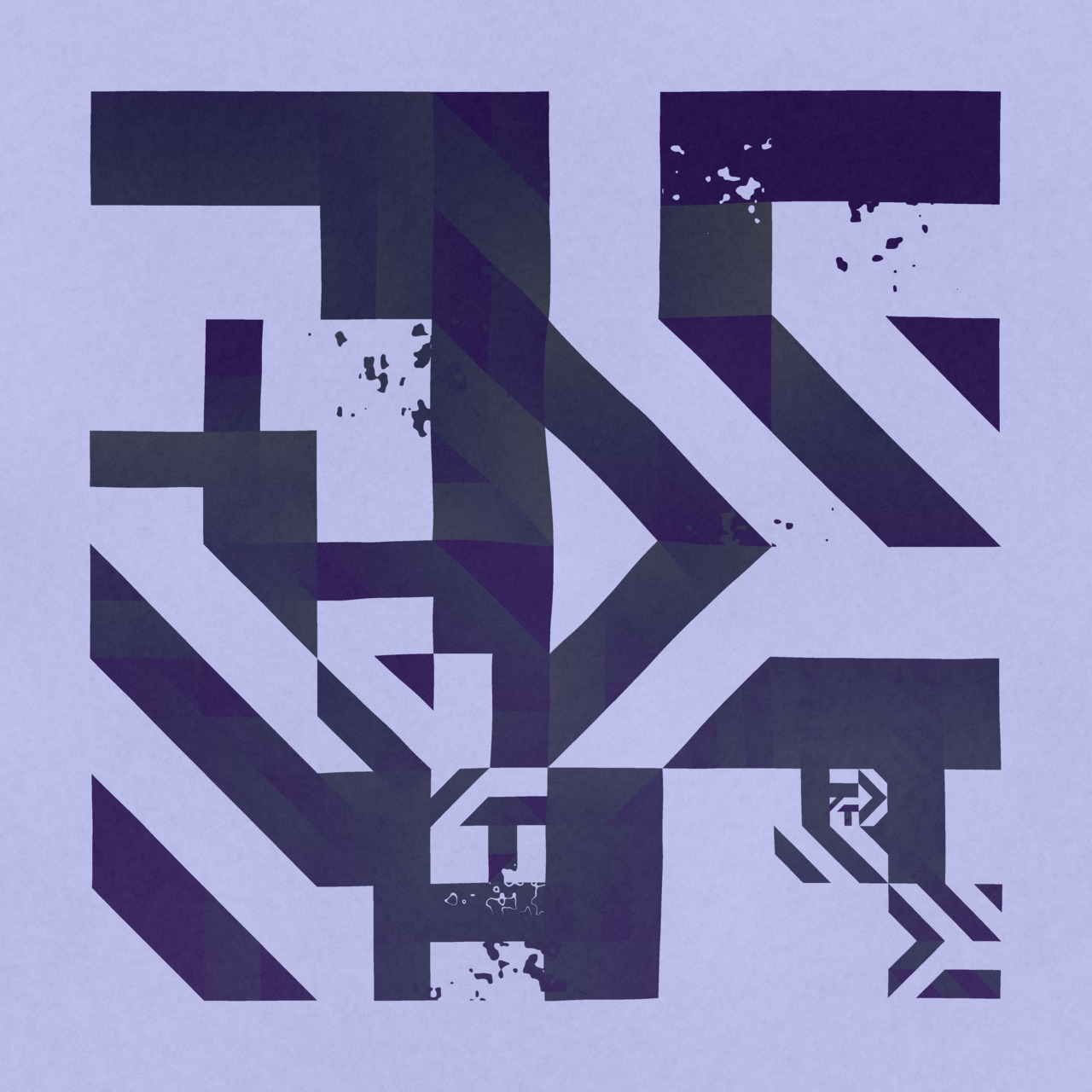
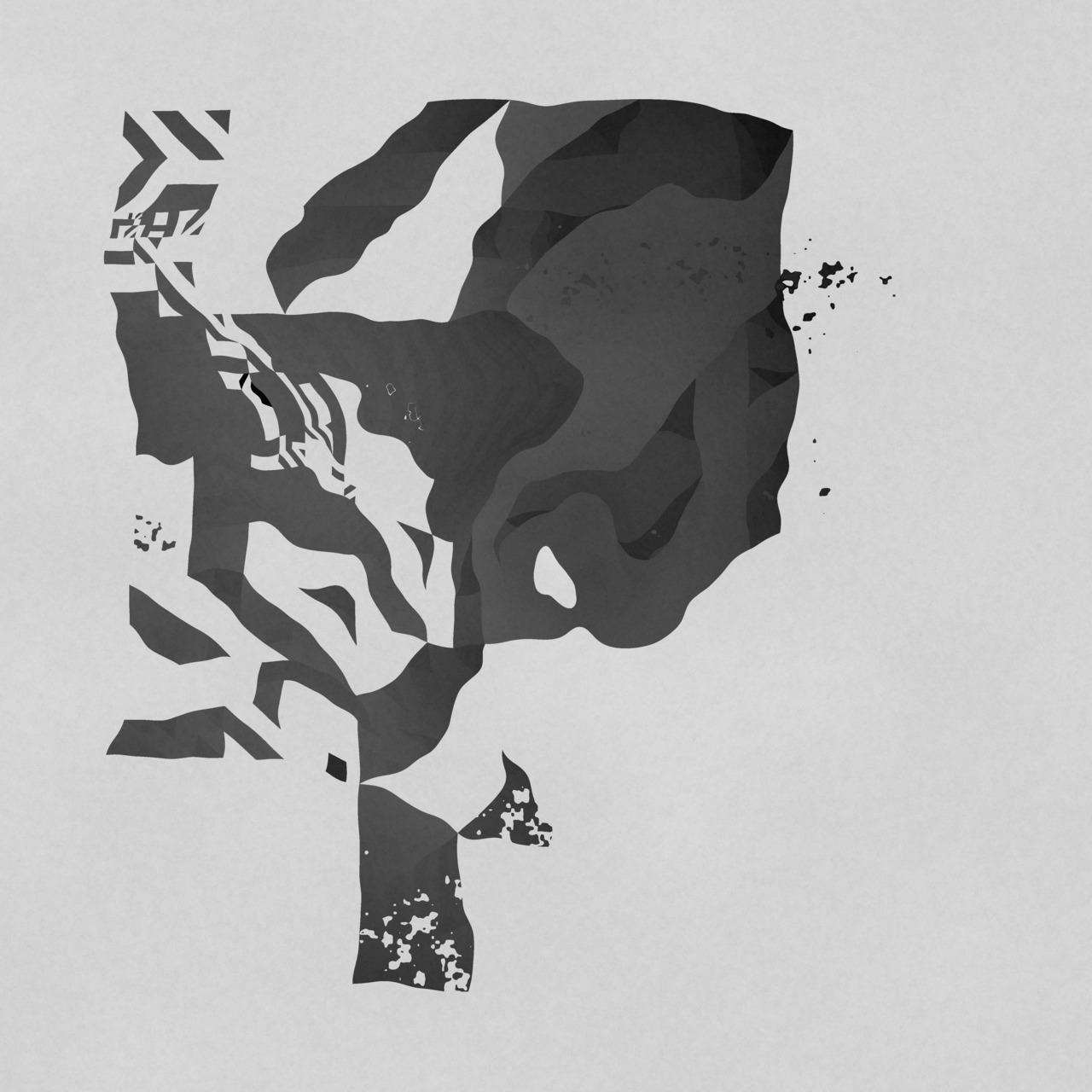

Text Tile is a work built upon a grid where each cell can be recursively divided into two. These divisions, whether vertical, horizontal, or diagonal, come together to form a unique glyph. This graphic symbol can be deformed to imbue it with the flexibility and textural qualities of fabric.
This transformation allows the angular form of the glyph to evolve into a more organic composition, creating a dialogue or balance between the geometric precision of the grid and the softness of the fabric.
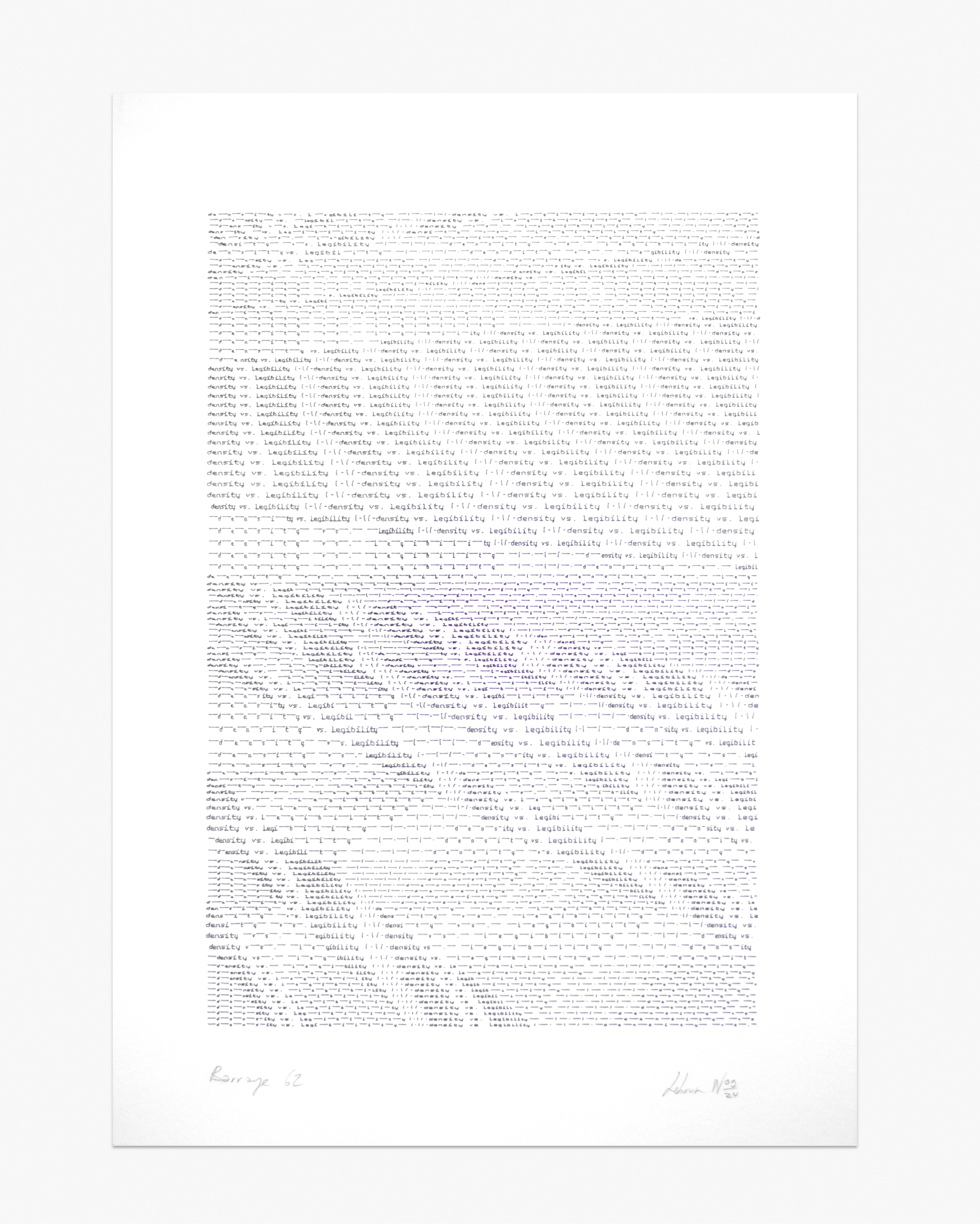
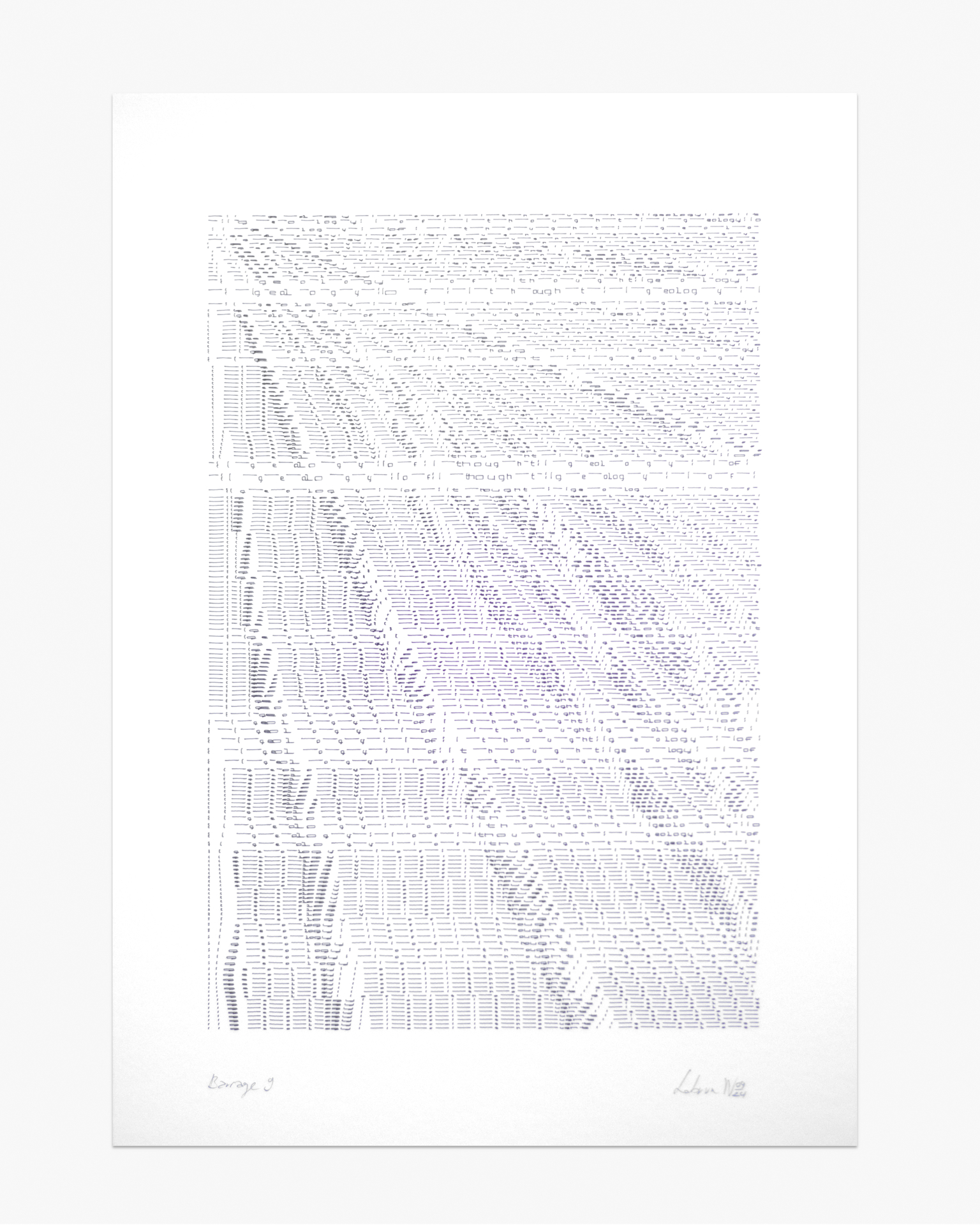
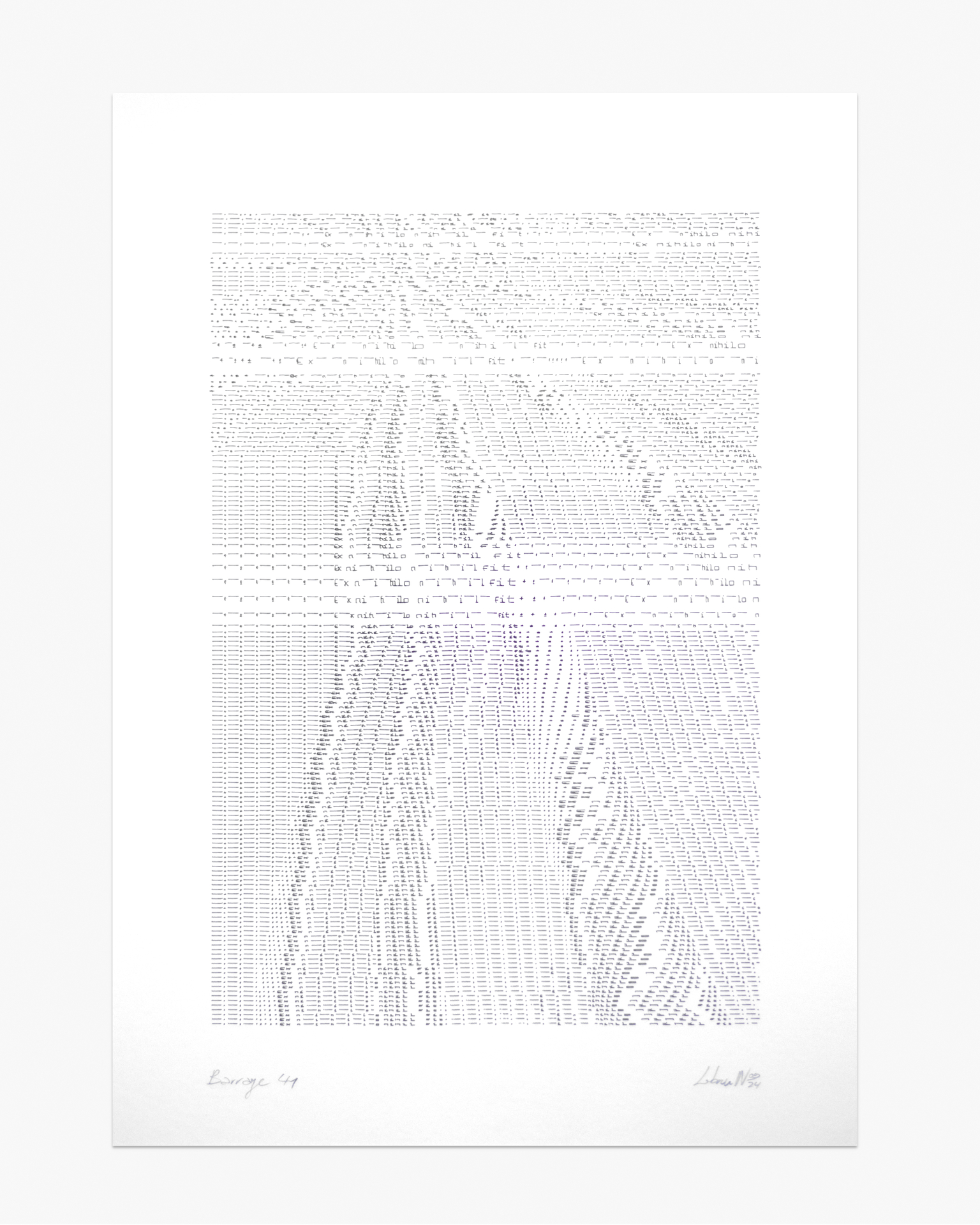
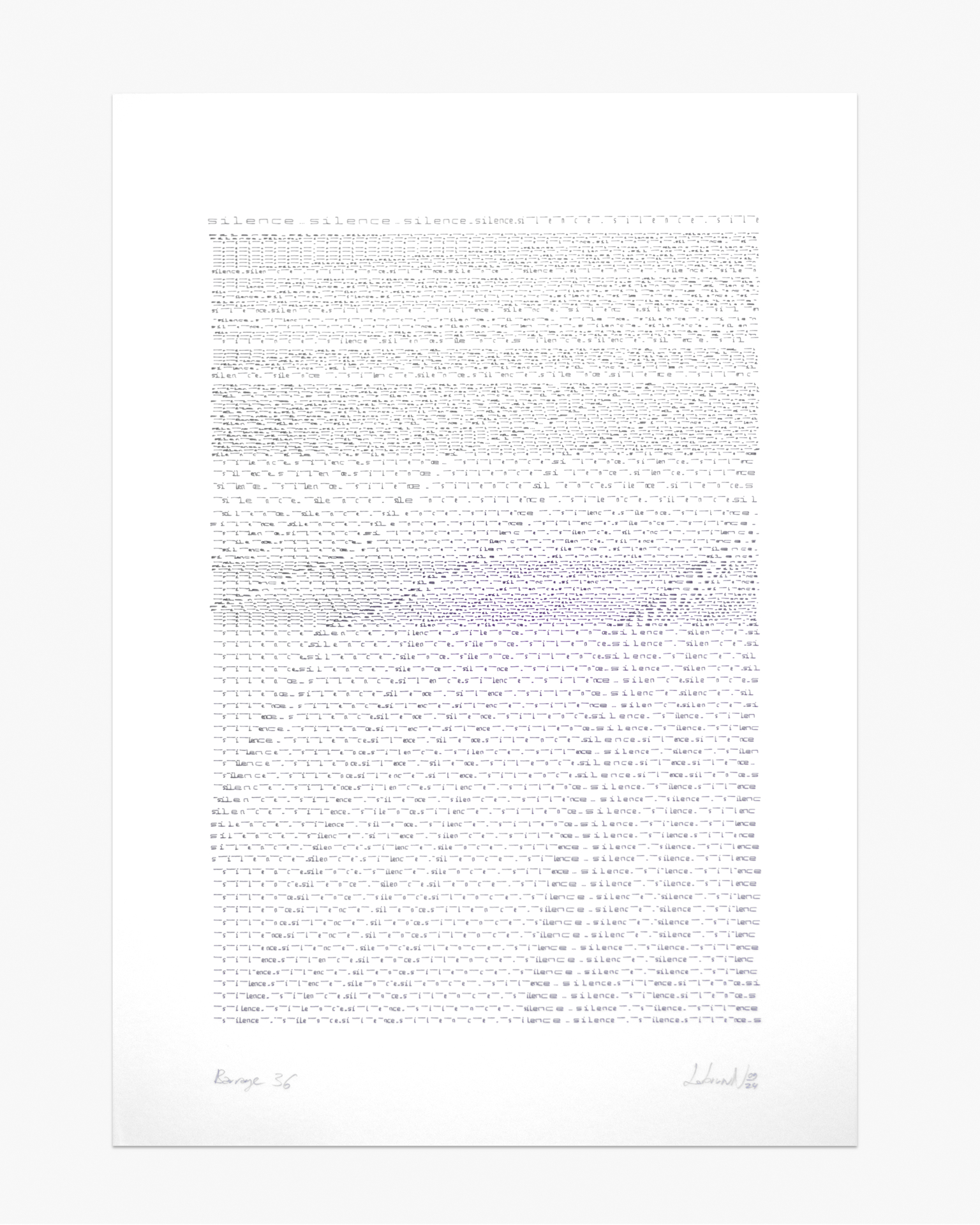
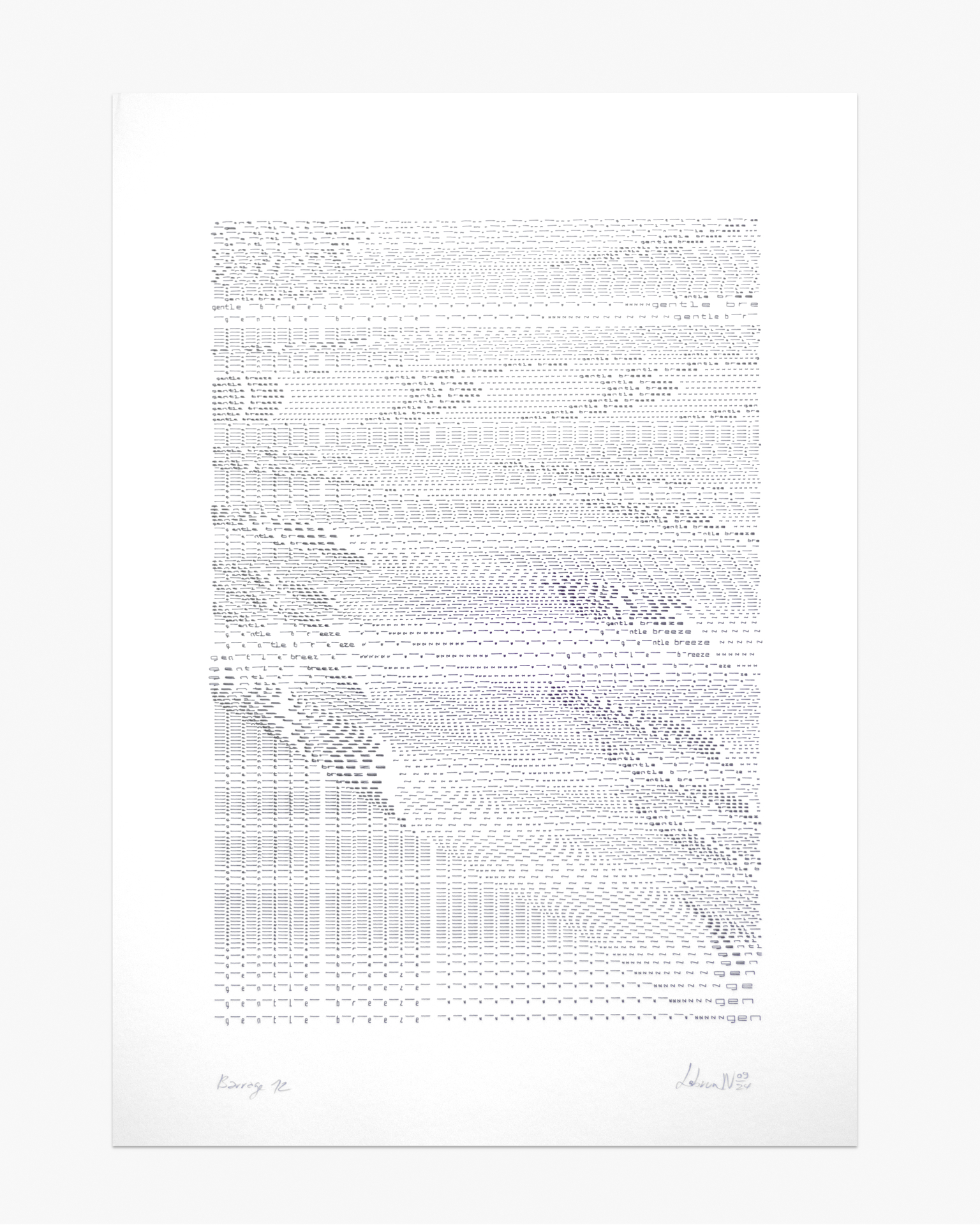
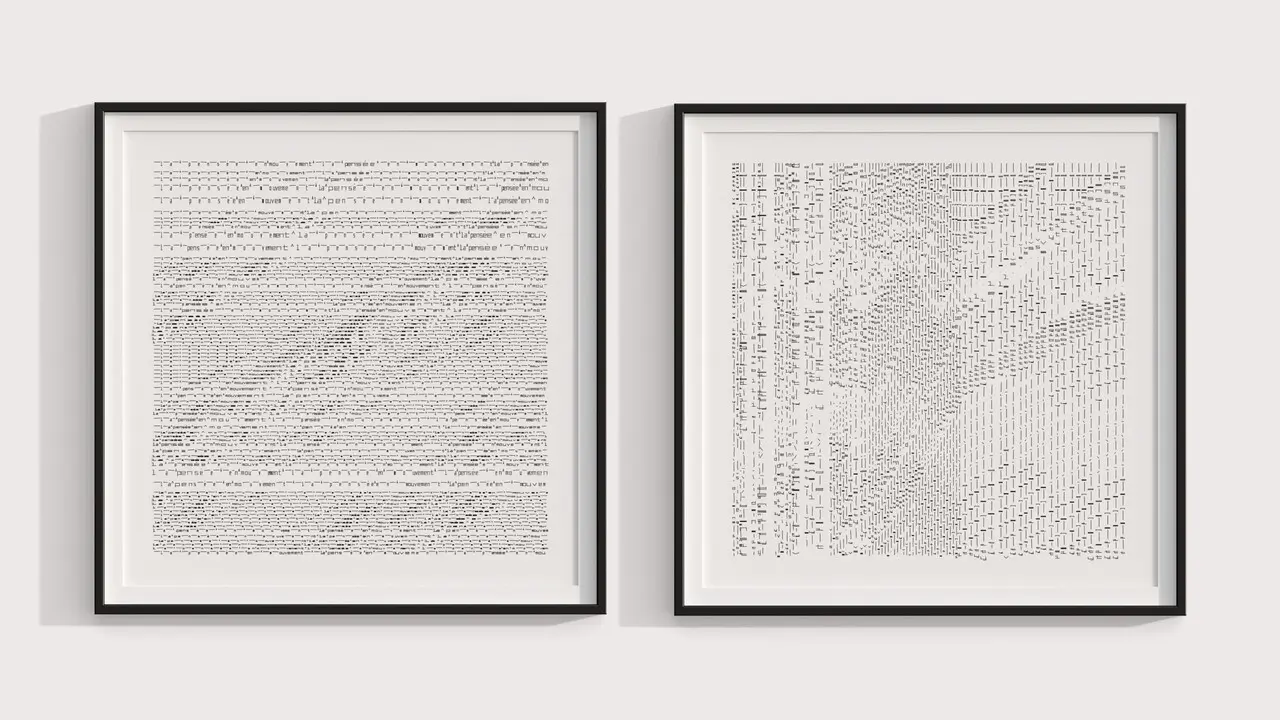
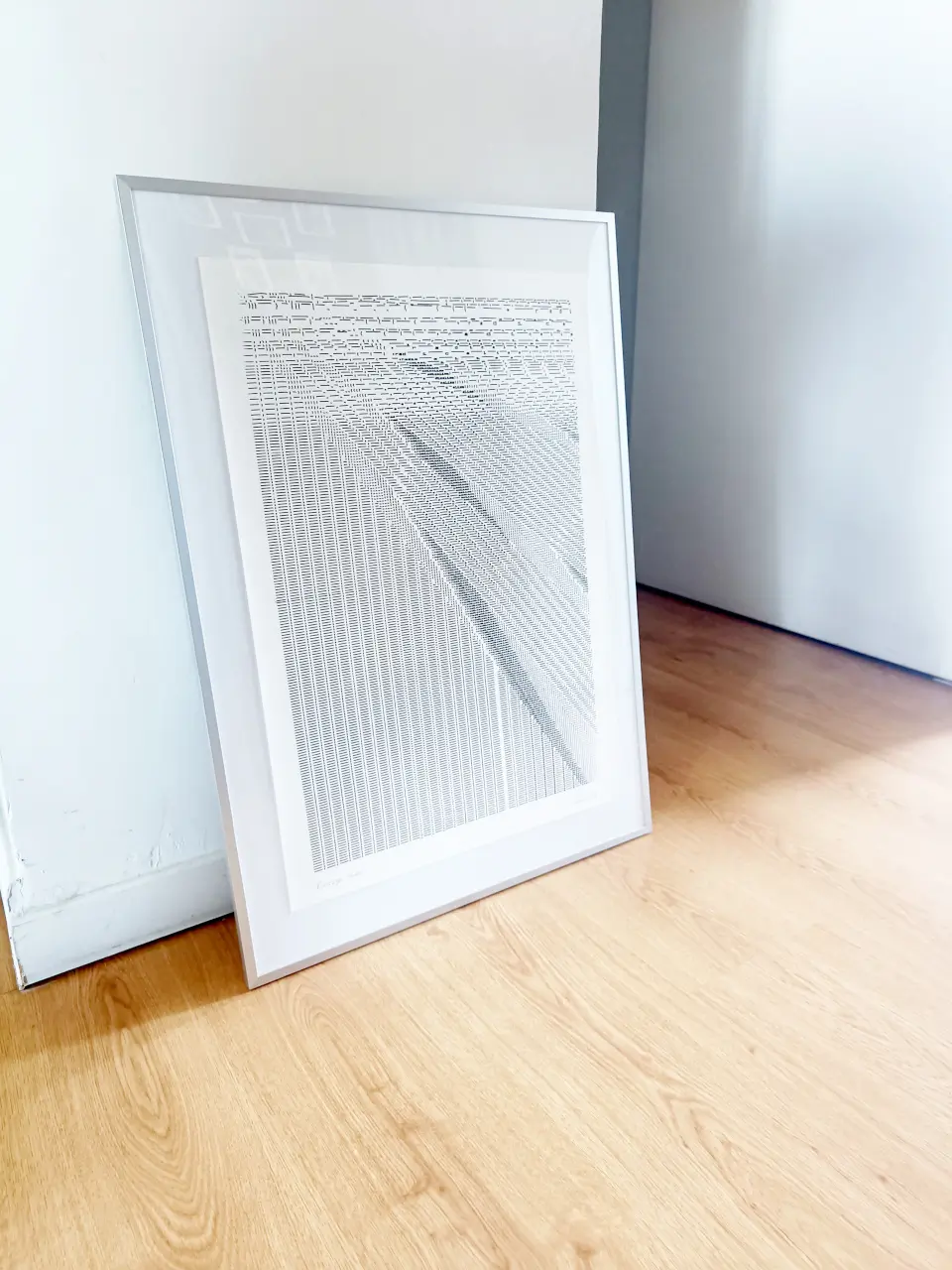
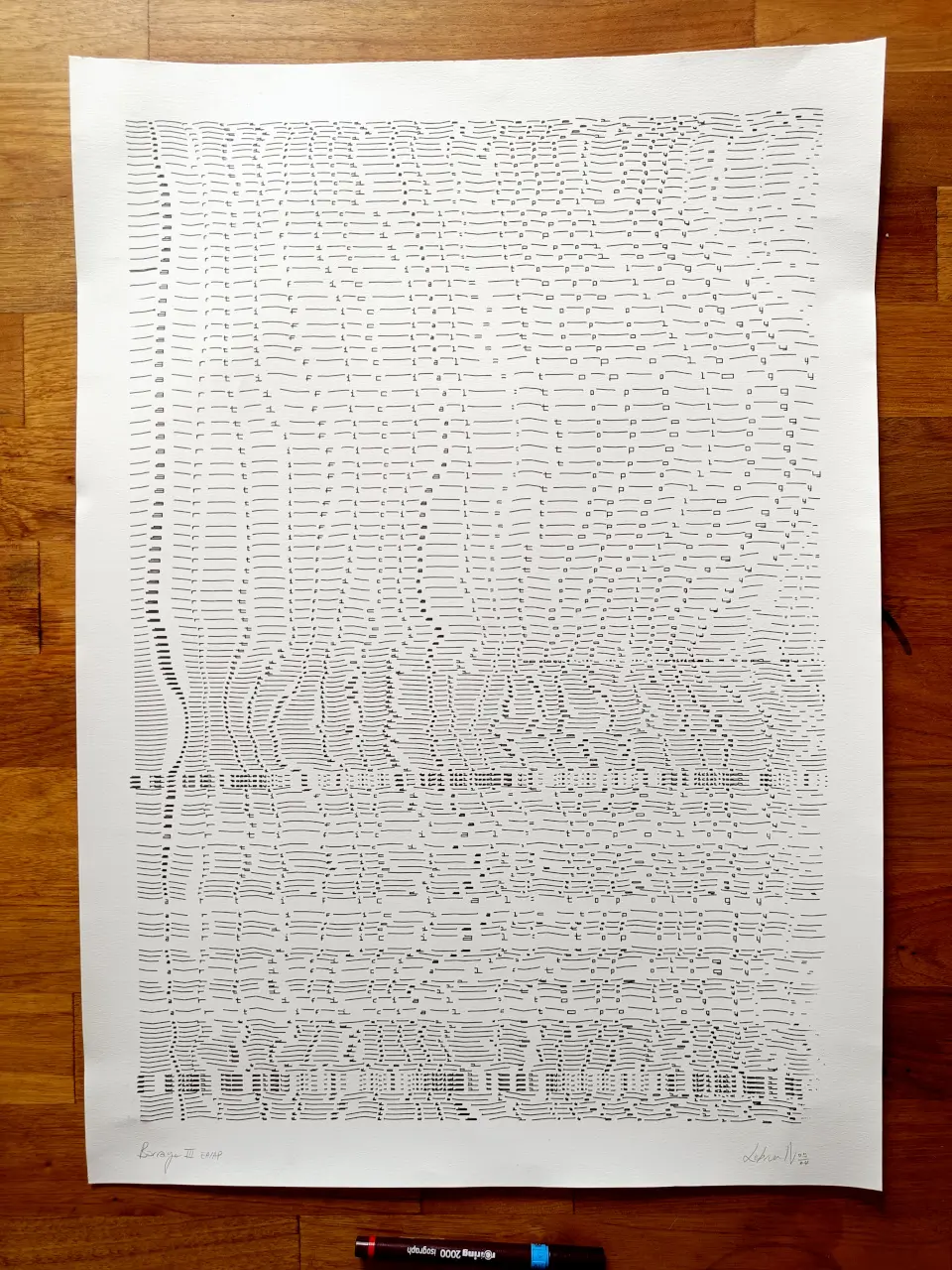
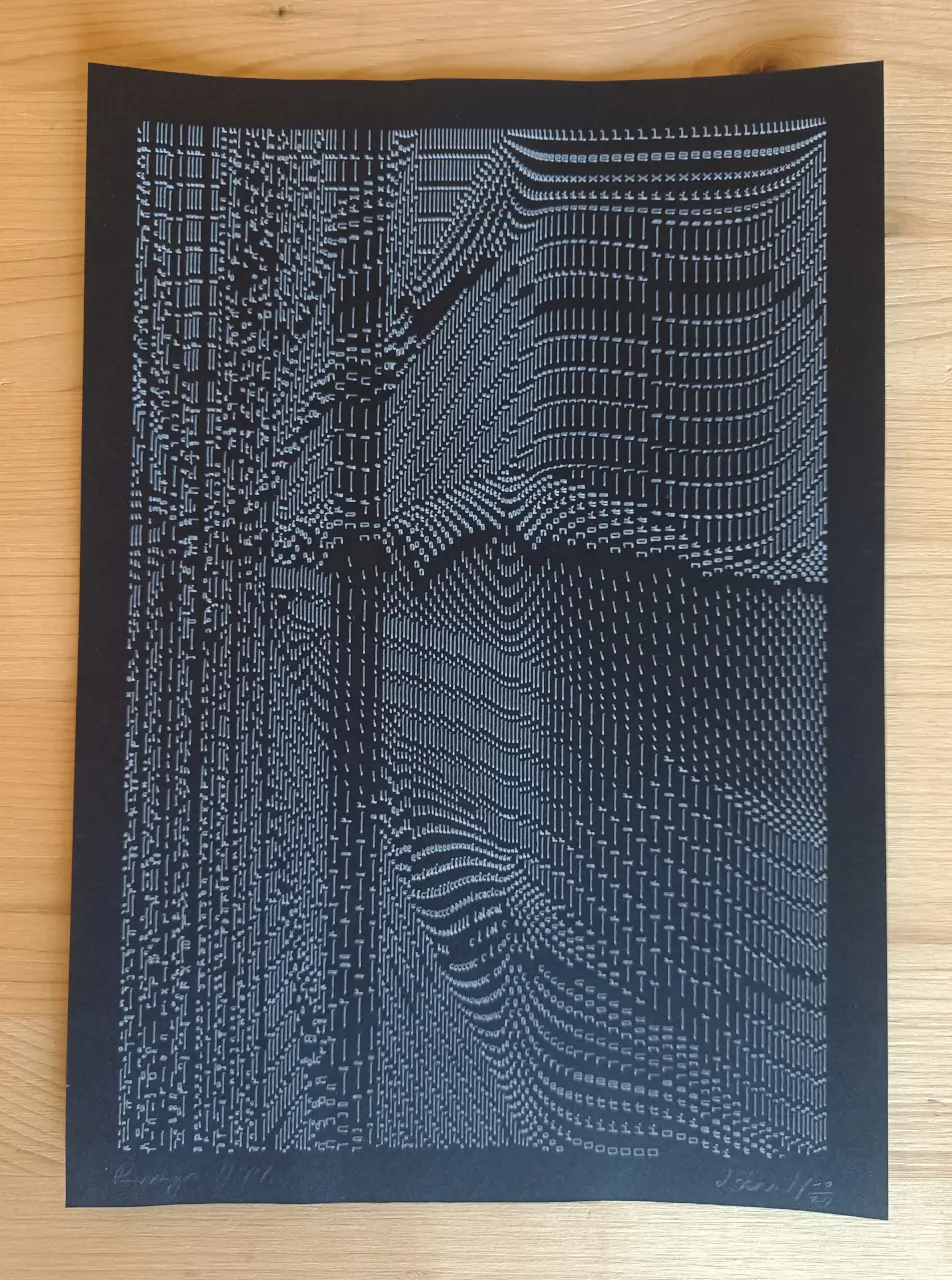
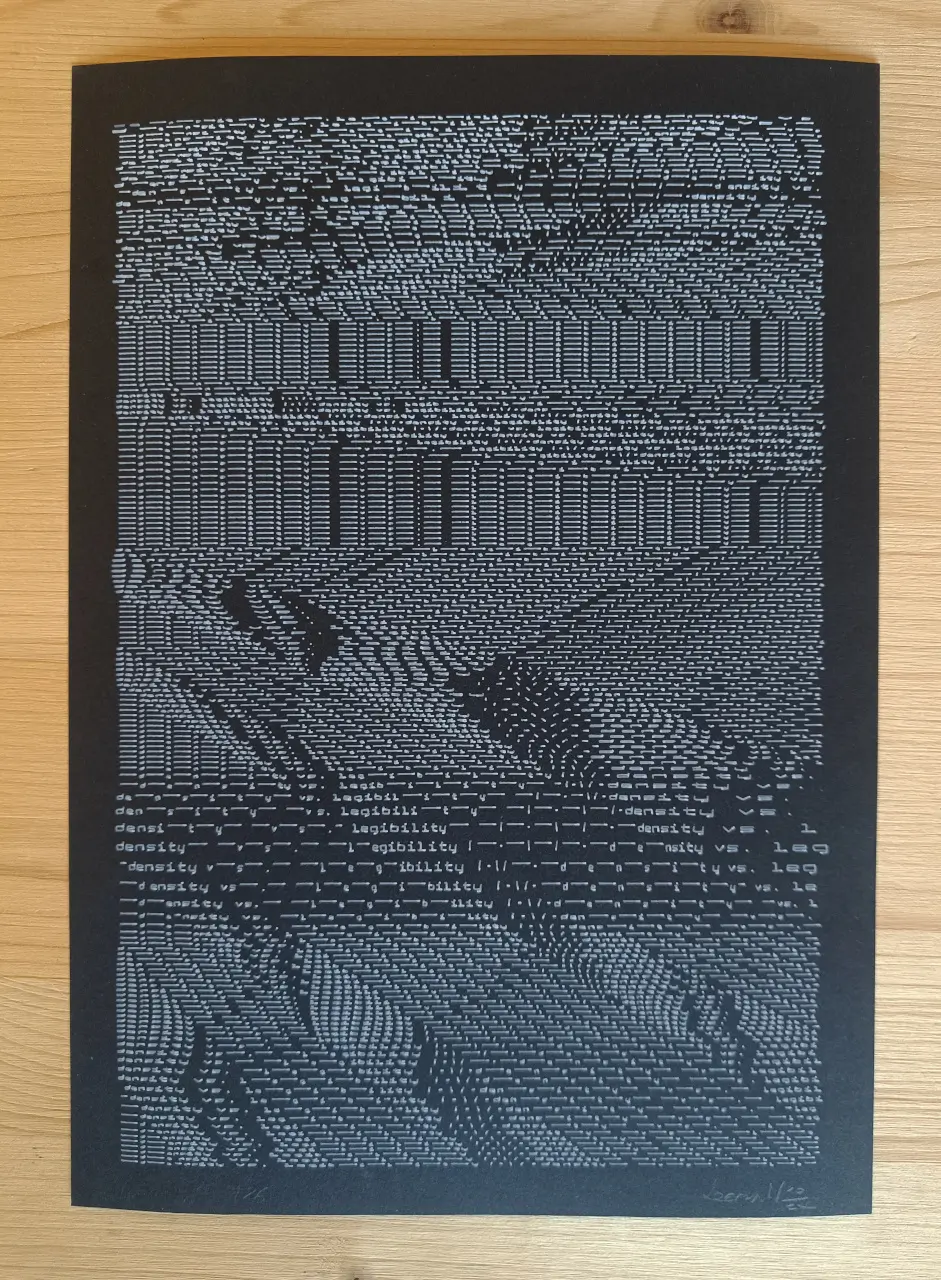
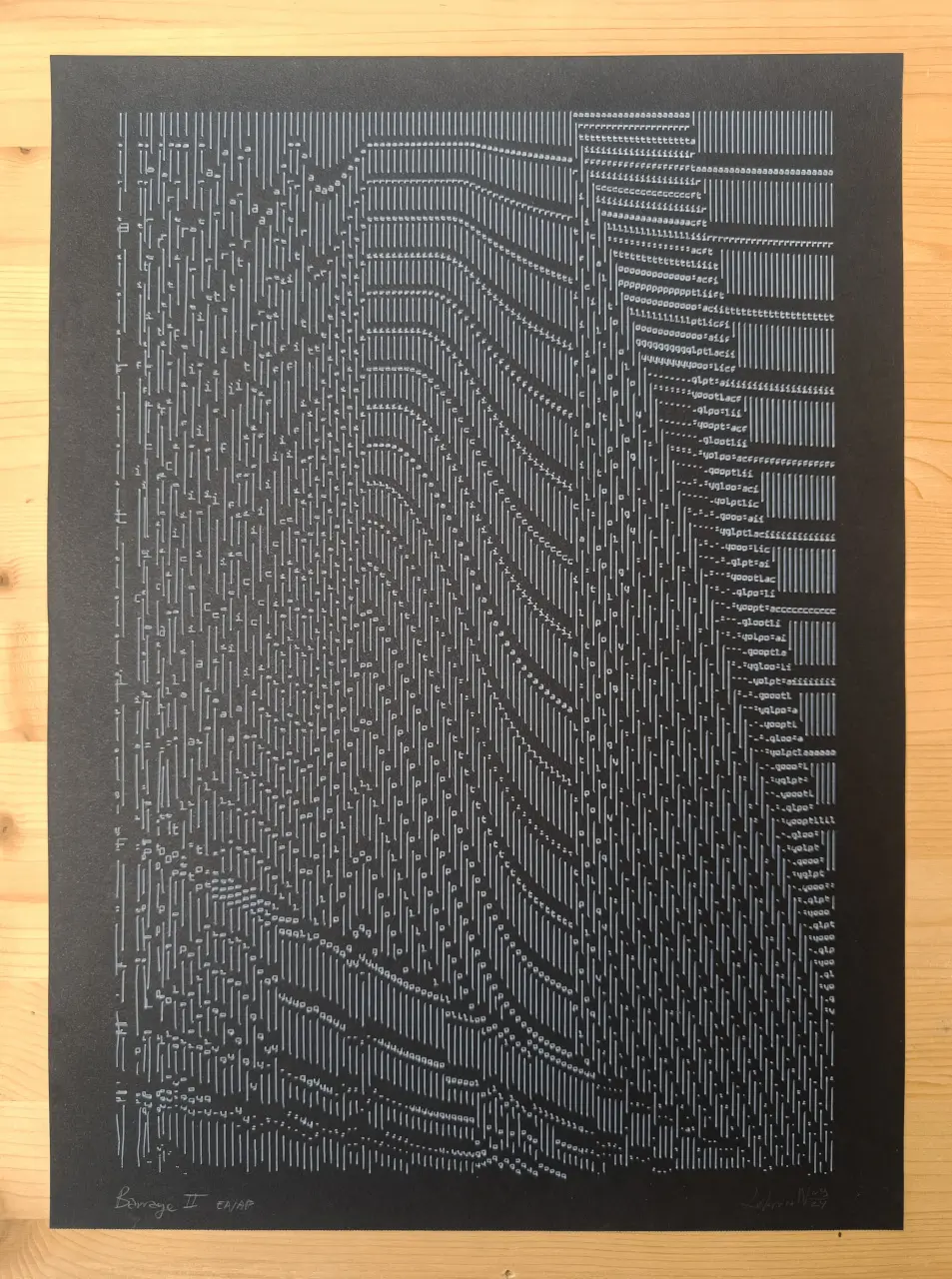
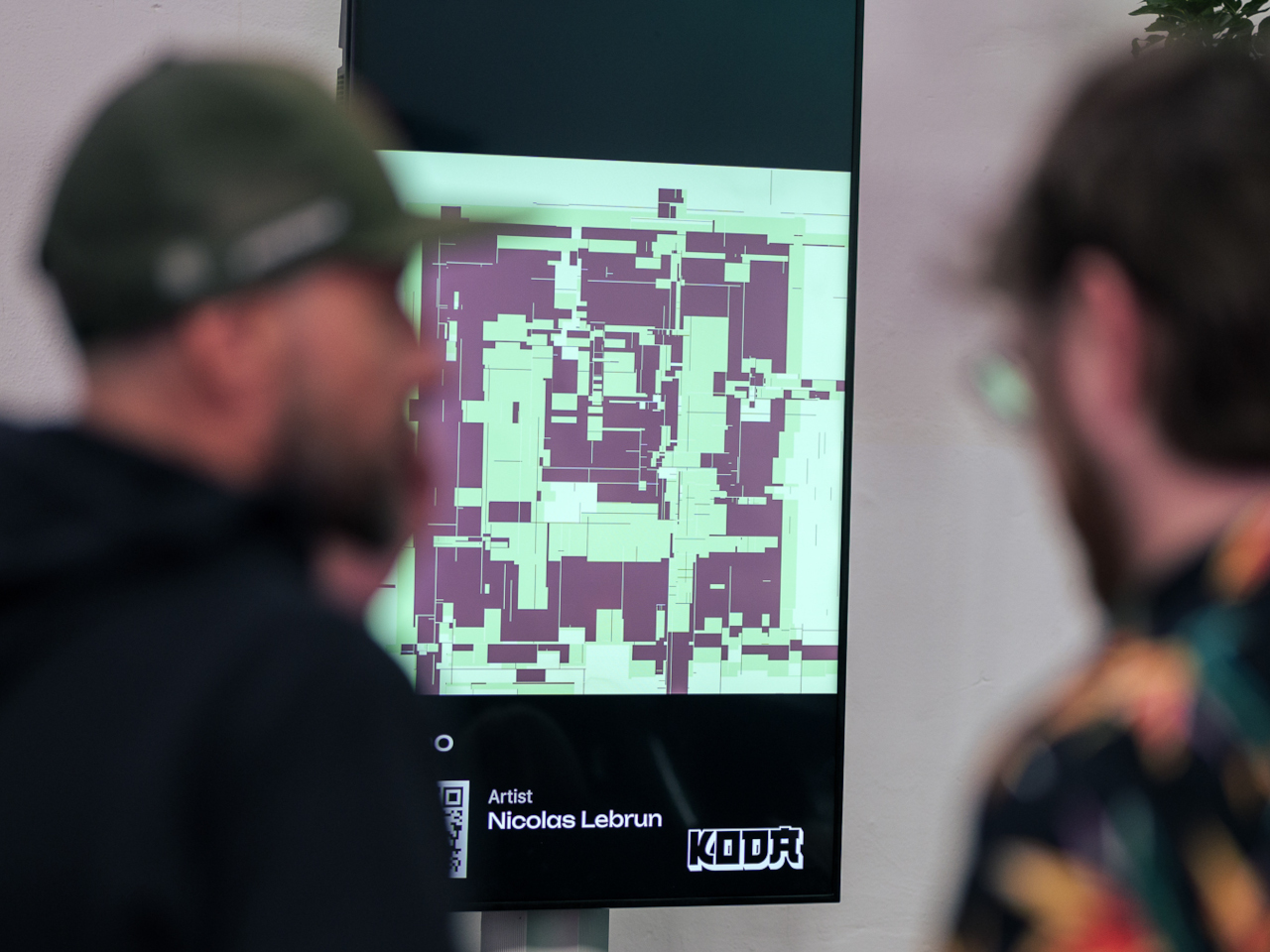
Barrage is a project that proposes a narrative by invoking a game of radical composition. The program traverses a texture, searching for gaps in depth. When it identifies deep areas, it will draw lines, and when they are high, it will write text. The texture will then define the width and height of the letters and the direction of the lines.
Randomly, for each edition, the text will be written vertically or horizontally, but it will always be repeated, becoming a kind of incantation, a statement repeated endlessly while awaiting the intervention of a higher power, but also like an instruction in code that will be executed a certain number of times or until a condition is met.
Textures and texts hybridize, the text is no longer flat, but in motion, altered by a Perlin noise that renders it illegible in places and, at other times, enlarged, dominating the rest of the composition. Like an elocution, the text now has a rhythm, its accelerations and lulls: it comes alive.
I’m interested in this change of nature or dimension, it’s a bit like an idea you have in the corner of your mind that, once verbalized, will take its place within an audience. The idea, an electric, nervous and inner flow, becomes a tangible sound wave, in other words, it’s infra-thin, and that’s what this project is trying to stage.
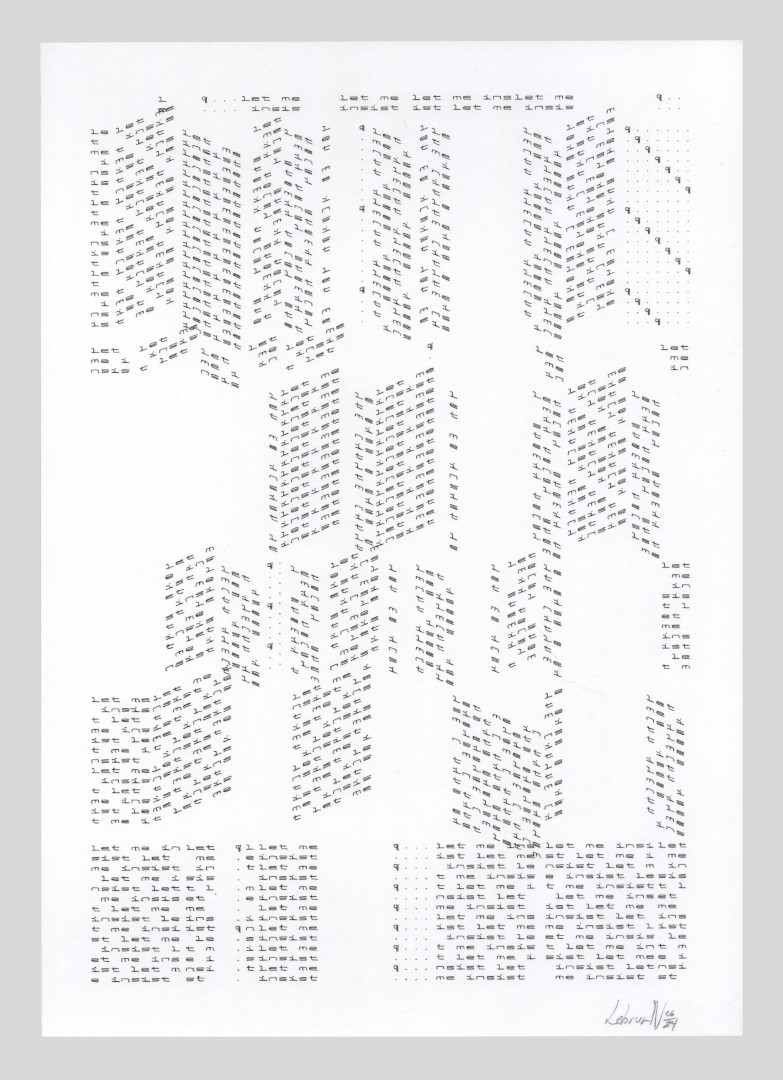
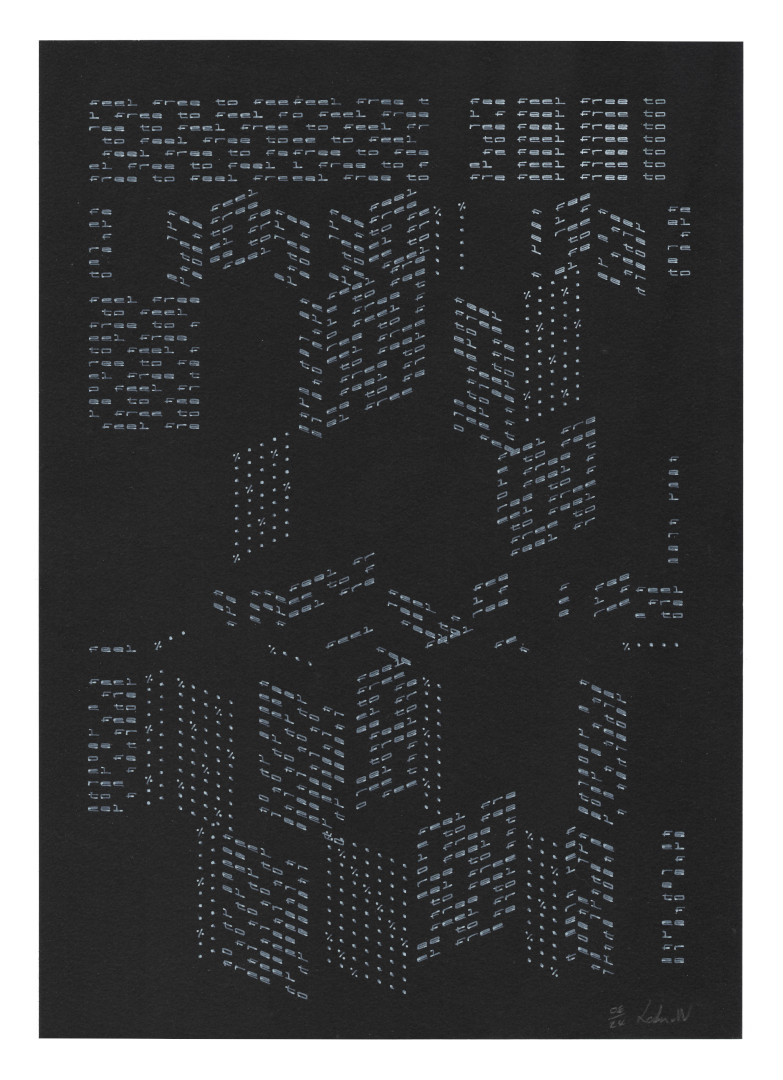
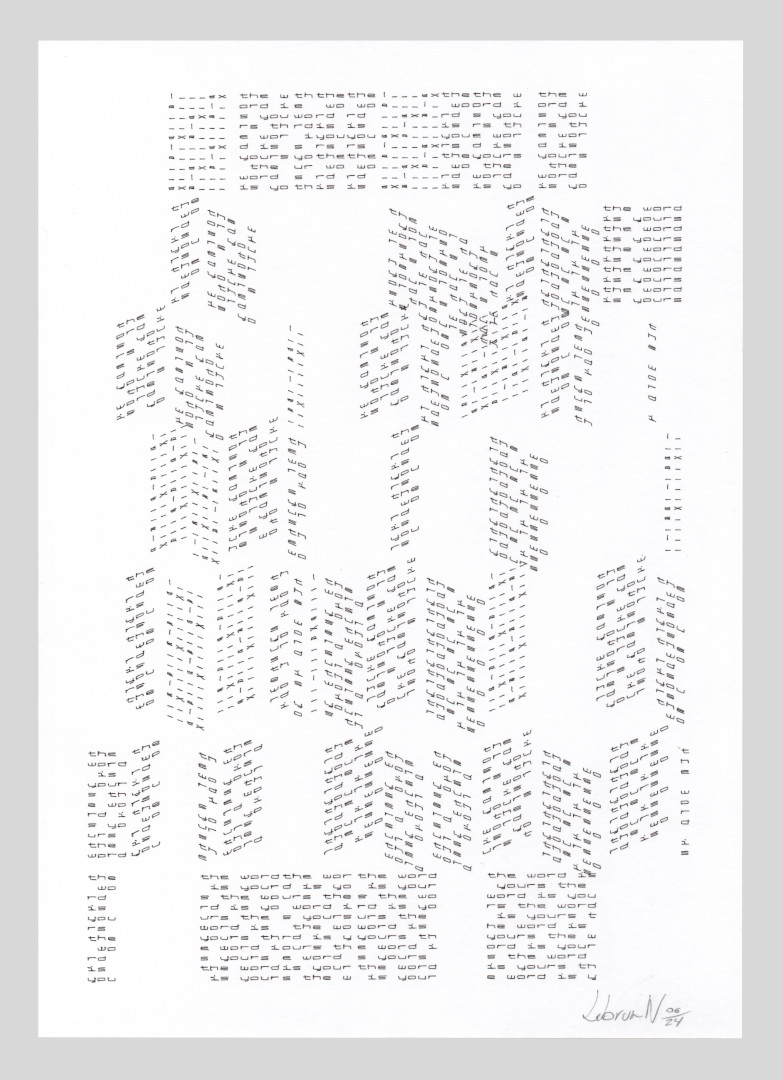
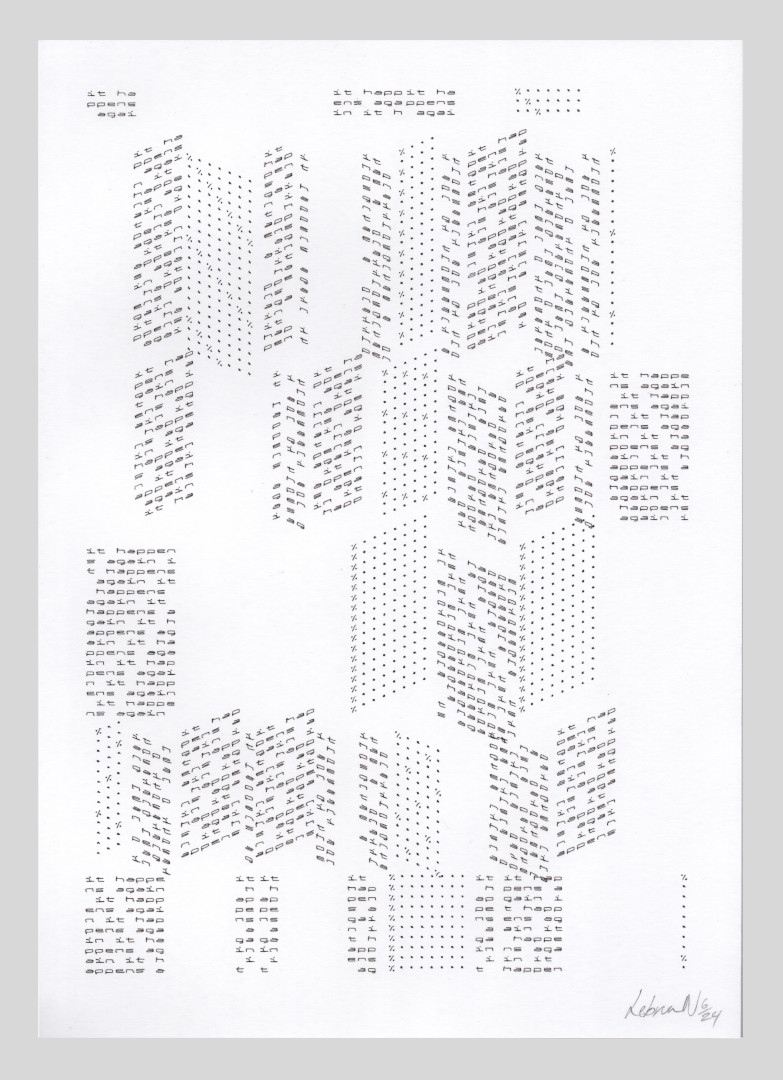
This series of program-generated calligrams operates through a dual textual system: one sequence produces rhythm and motif, while another deploys phrases or nominal groups. Sentences are distributed across a grid where some cells remain empty while others contain text or isolated punctuation. The cells are sometimes tilted, creating the illusion that language has been projected onto cubic surfaces—a visual device that transforms the flat page into an implied three-dimensional space. Text repeats within each cell as long as space permits, forming patterns that literalize the computational logic of the loop.
The work situates itself within the genealogy of 1960s-70s generative art while exposing a fundamental property of computational text processing. Through systematic repetition constrained by grid cells, language approaches exhaustion: the written word progressively loses its semantic charge as letters transform into purely visual signs. What begins as readable content degrades into pattern, texture, material. The loop—that fundamental programming structure—becomes both compositional principle and instrument of semantic dissolution.
The tilted cells establish a crucial tension between surface and depth. By suggesting projection onto cubic faces, the composition creates a perpetual instability between reading (which requires a stable plane) and viewing (which registers depth and rotation). Flat text forced into implied volumetric space generates a spatial ambiguity where language can never fully stabilize as either meaning or image. The grid becomes simultaneously a reading surface and a projection screen, each cell a facet of an impossible object.
This process materializes a fracture internal to language itself when subjected to algorithmic processing. The grid enforces a spatial logic indifferent to syntactic coherence—cells filled or emptied according to programmatic rules rather than narrative necessity. Punctuation isolated in its own cell becomes abstract notation; words repeated until rhythm supplants sense. The instantaneity evoked by the composition suggests not the speed of comprehension but the instantaneous collapse of semantic stability when language becomes iteration.
What remains is a visual archaeology of computational logic: the loop made visible, the grid as organizational principle, the cube as projection surface. These calligrams do not mourn the transformation of text into material but observe it with clinical precision. In an era where language is increasingly fragmented and recombined by algorithms, these compositions reveal the operational substrate beneath all linguistic exchange—the moment when words cease to communicate and begin simply to occupy space, to repeat, to pattern, to materialize the mechanical processes that now constitute so much of our textual environment.
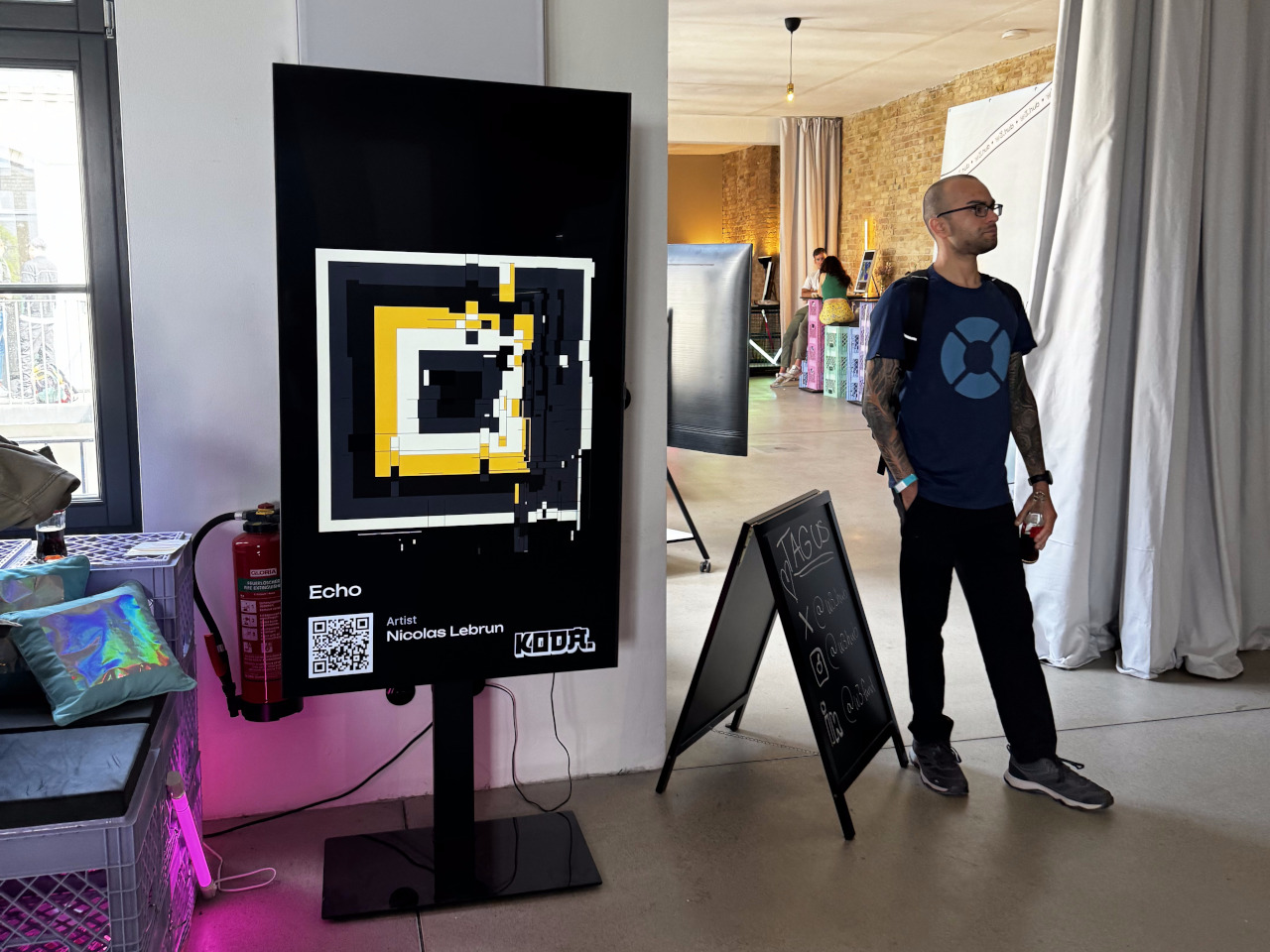
Echo is a captivating exploration of the realm of composition, where the essence lies in a dynamic interplay between samples and a meticulous process of deconstruction.
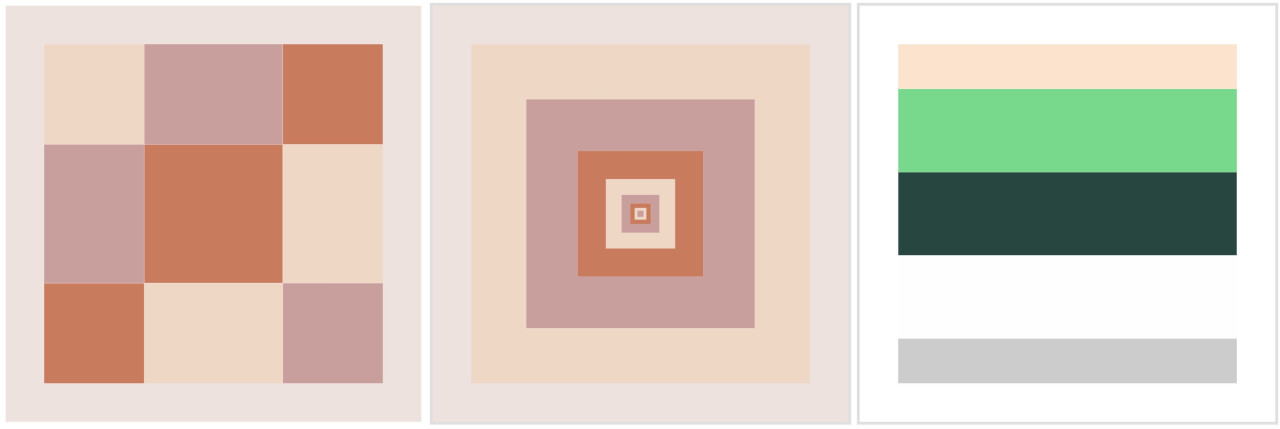
The process unfolds after the initialization of the composition in three modes: grids, tunnels, and strata. These compositions evoke the geometric abstraction of the 70s. Each composition is crafted based on pre-defined palettes (consisting of 4 to 6 colors), determining the number of cells in the grid, strata, or sections of the tunnels.
The essence of Echoe doesn’t reside in the introduction of new graphic elements; instead, it resides in the strategic manipulation of existing components. Through a destructive process, the program samples from its own creation, manipulating shapes, varying scales, and pasting reduced versions of samples, creating a hypnotic dance of echoes.
While the result of this protocol may evoke architectural, modern, or futuristic forms, it is fundamentally a process of deconstruction and accumulation-driven by an absurd mechanism.
Once this foundation is laid, the alteration process begins. The program initiates a series of copy-and-paste actions, repeatedly reusing and reactualizing the introduced changes. This iterative process contributes to the evolution of the composition, with each iteration densifying the visual narrative. This leads to an accumulation, rapidly generating intricate details.
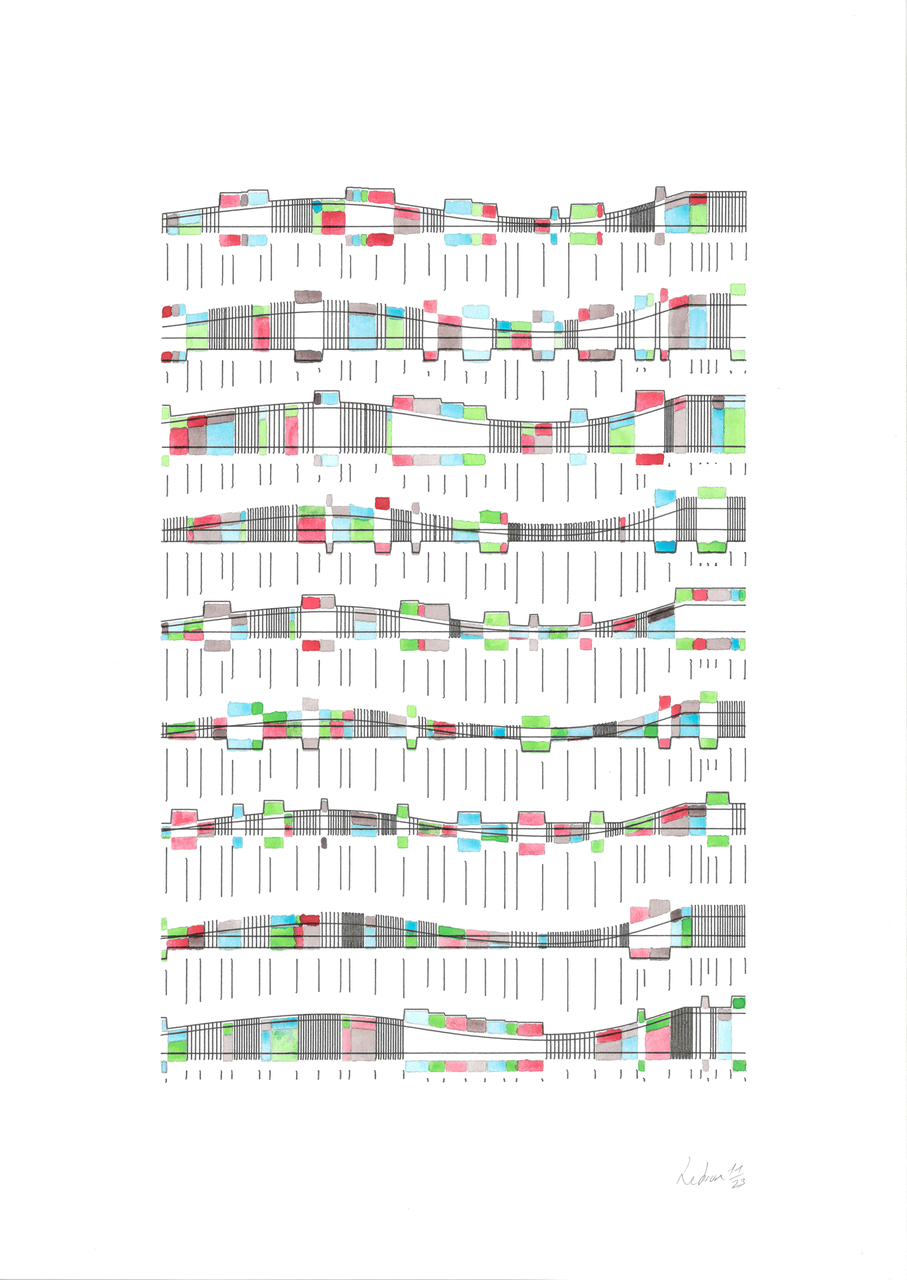
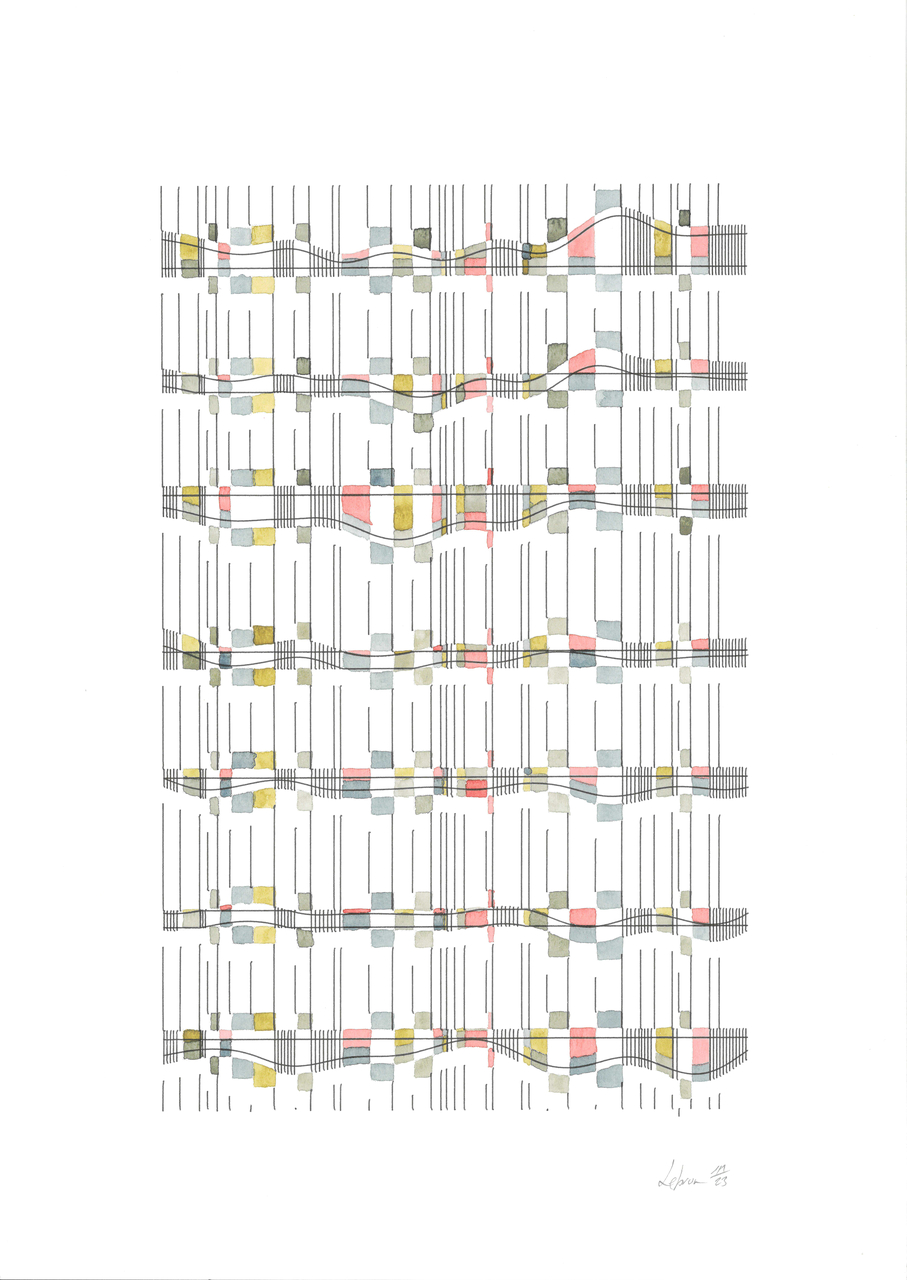
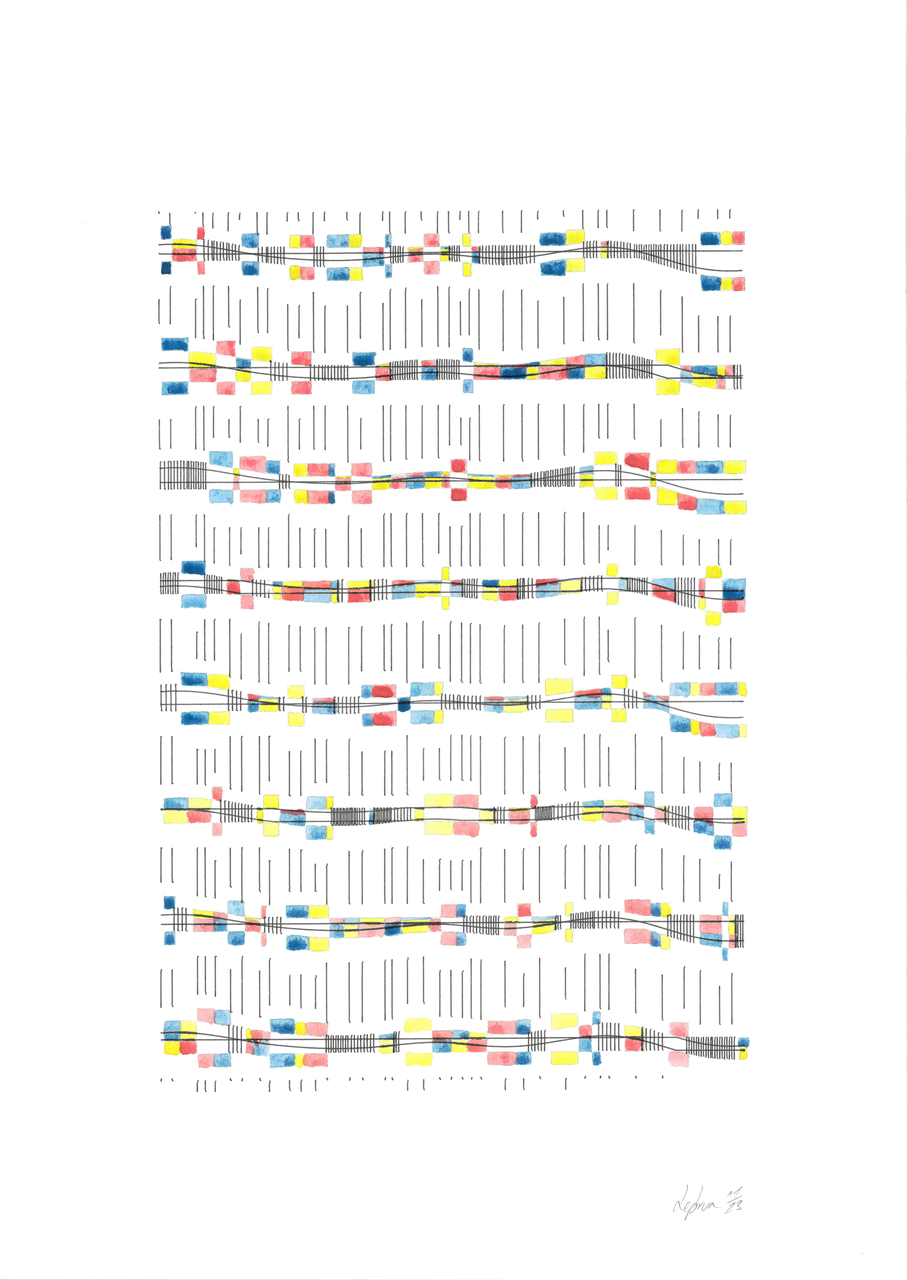
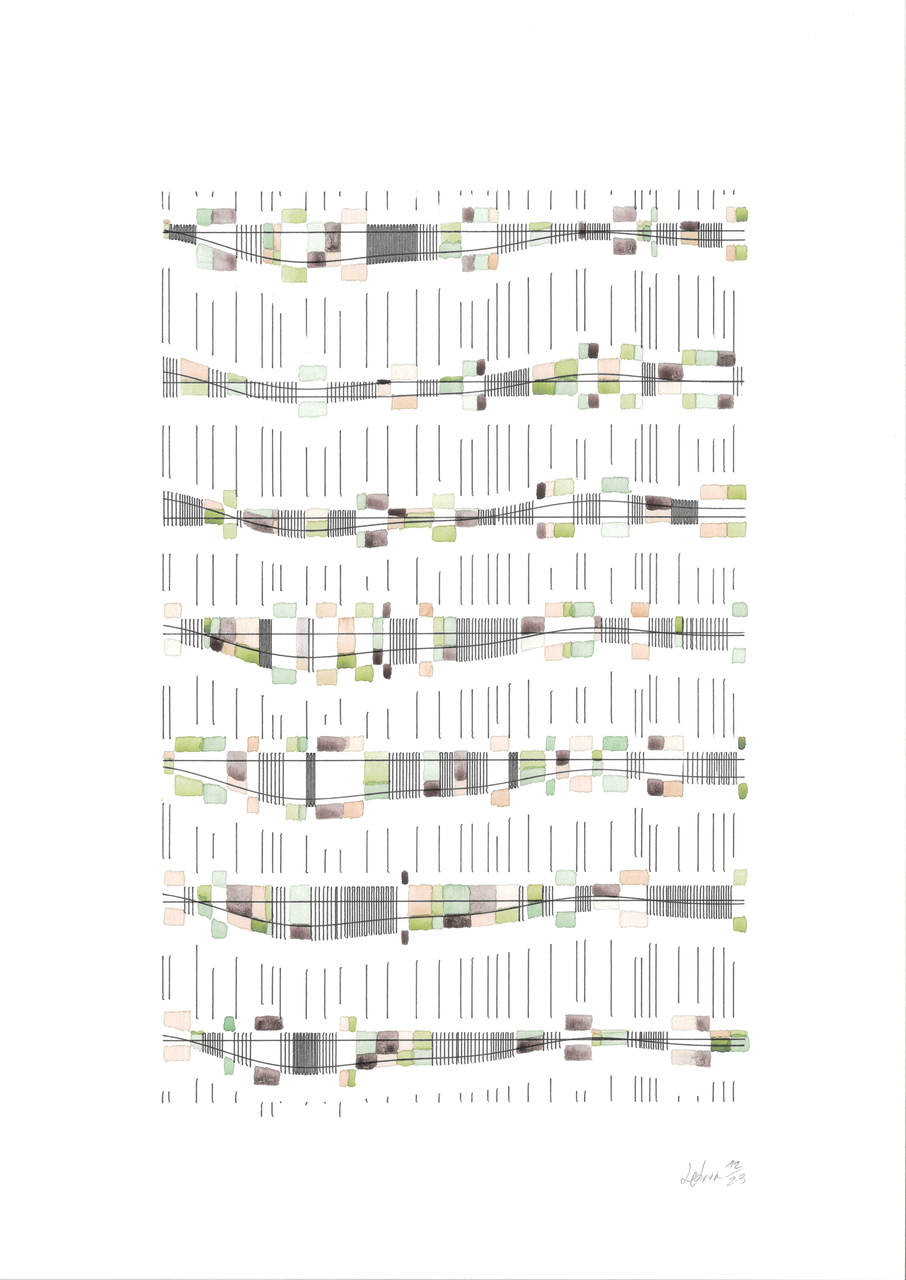
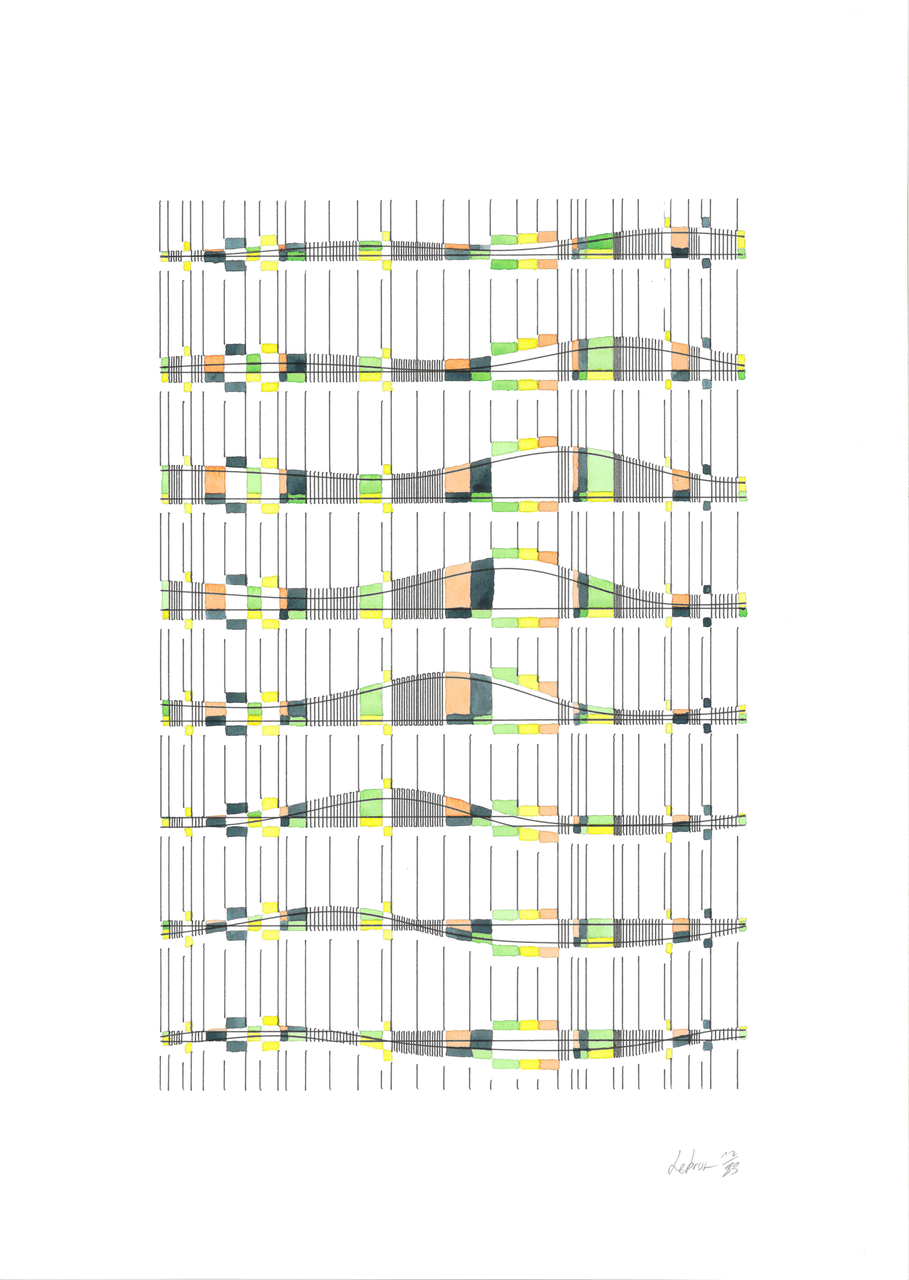
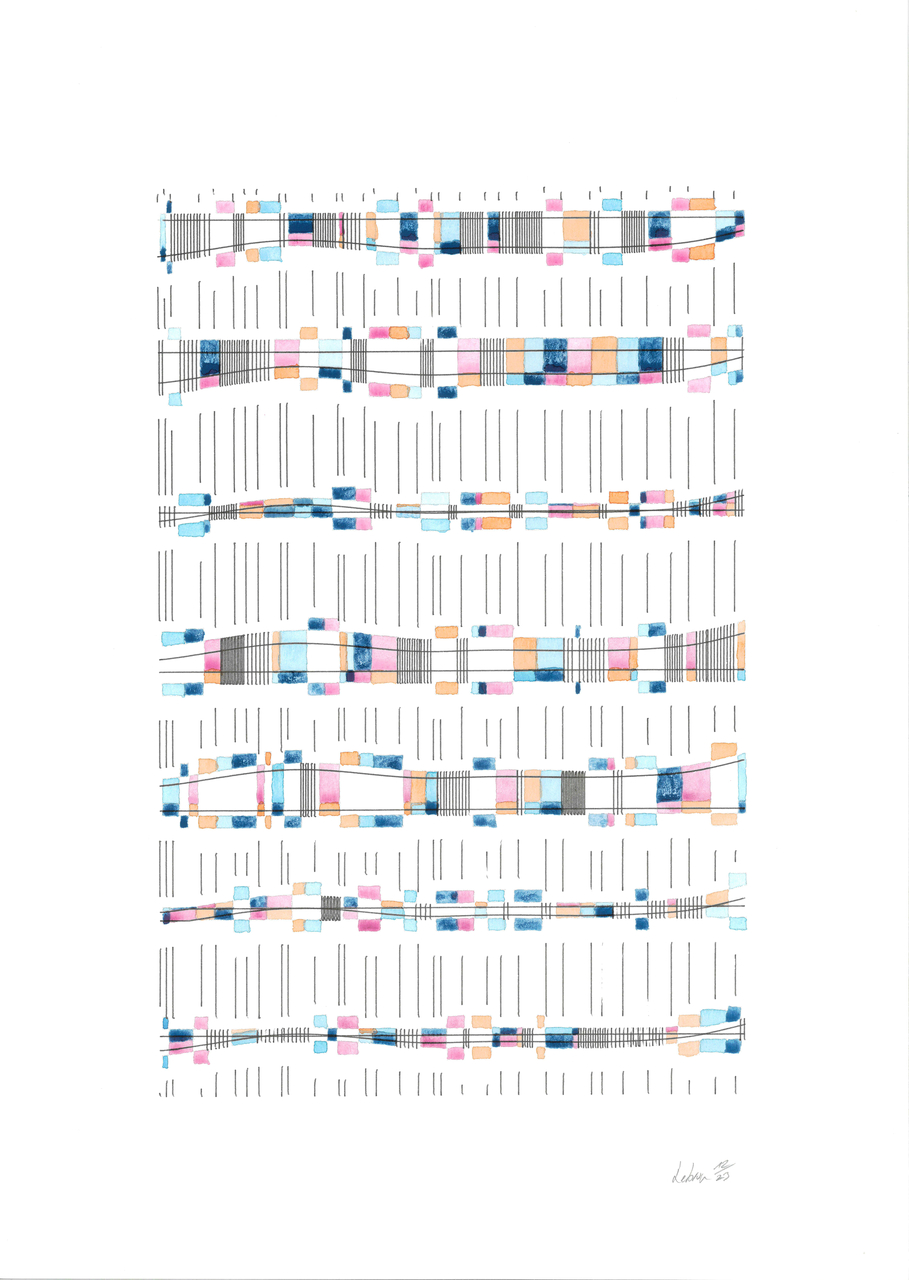
‘Ecluse’ is a commissioned generative artwork! It is a series limited to only 6 editions: each token triggers a protocol whereby the artist hand paints and signs a physical edition for the collector. ‘Ecluse’ marks the culmination of a reflection which began with ‘Aqueduct’.
This project was born of the desire to confront the human hand with the algorithm and the machine. The primary goal of this program was to build a protocol that I had to interpret with both plotter and paintbrushes. It’s not a question of opposing, but rather of combining the precision of the algorithm/machine duo with the sensitivity of manual work. These forms can be seen as a kind of score to be interpreted, in a way replaying the similar/singular relationship seen in generative art. Each edition follows the same rules, but each iteration has a different property and appearance. In the work of Écluse, the process involves manual work that will bring out even more uniqueness, or singularity.
This project grew out of a fascination with scientific imagery, which can be seen as graphs, with peaks and troughs. A viewer might think that the program uses a data source to build these shapes, but it doesn’t. It uses data that it generates itself. In a way, the shapes it constructs are not used to analyze and understand something external, but to understand how the program itself works. There is a central self-reflective quality to the algorithm at play.
The biggest challenge I had to solve with this project was to reconcile screen and paper, while not favoring either of them. I developed the program by trying out different drawing techniques (with my plotter as well as with my physical watercolors). There weren’t two distinct phases where I elected to favor one version and reproduce it on the other, it was all systematically done side by side. As the program evolved, it was tested in the physical world. I practiced these two mediums (code and painting) at the same time, making sure that I stayed within the boundaries of feasibility.
At first glance, these curves, juxtaposed and superimposed, appear to be a kind of data analysis and visualization. There is no data to be analyzed here, the shape of each curve is calculated from Perlin noise, but its design reveals a focus of attention, a desire for precision (calculating a threshold). The object analyzed is not a particular piece of data, but the program itself (debug view), and each block shows the choices made by the program to draw the curve.
The program traces the curve in sequences, each part of which can be traced in one of three ways: by successive vertical lines, or by a solid shape (with color, or by two solid shapes enclosing it (top and bottom).
Composition has two main modes: either it evolves the size and position of each curve section, keeping the shape of the curve (repeated several times vertically), or, it evolves the curve each time it is repeated, and the composite sections remain fixed (and the colors are perfectly aligned vertically).
Composition is meant to be abstract, scientific, but it can be interpreted in many different ways: geological strata, audio tracks on a sequencer, CPU utilization rates, I think it’s all a bit of that. It’s about taking a close look at a phenomenon in progress to make sure it’s working properly.
One of the constraints I set myself when creating the program was to use only existing palettes in iconic paintings from the art world. It’s not a question of replacing the original painting with a generative version. It’s more of an experiment, allowing me to apply arbitrary choices to the emotions aroused by my program, and the compositions generated serve to measure and appreciate the vibrations created by certain paintings. In itself, this almost deprives it of its artistic significance, since it becomes a kind of instrument for gaining a synthetic and partial vision of a painting. It can be seen as a refusal of figuration, an object whose (vain and unattainable) aim is to extract the vibration of this or that painting.
Aqueduct is part of the inaugural ‘Outliers’ group show curated by Atelier (ateliergen.art).To read the article about Aqueduct, please visit ateliergen.art.
To see the editions generated from the blockchain, please visit fxhash.xyz.
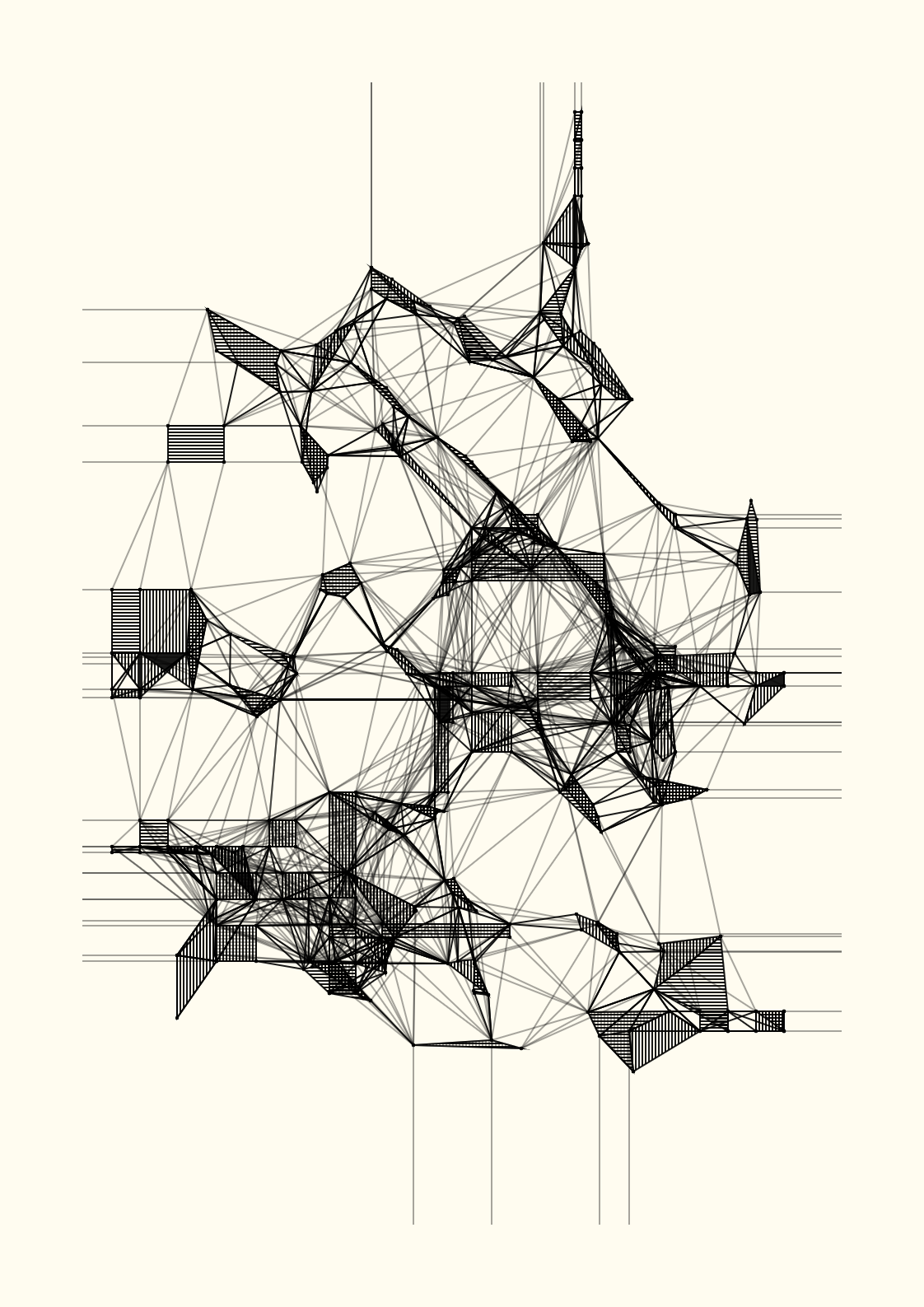
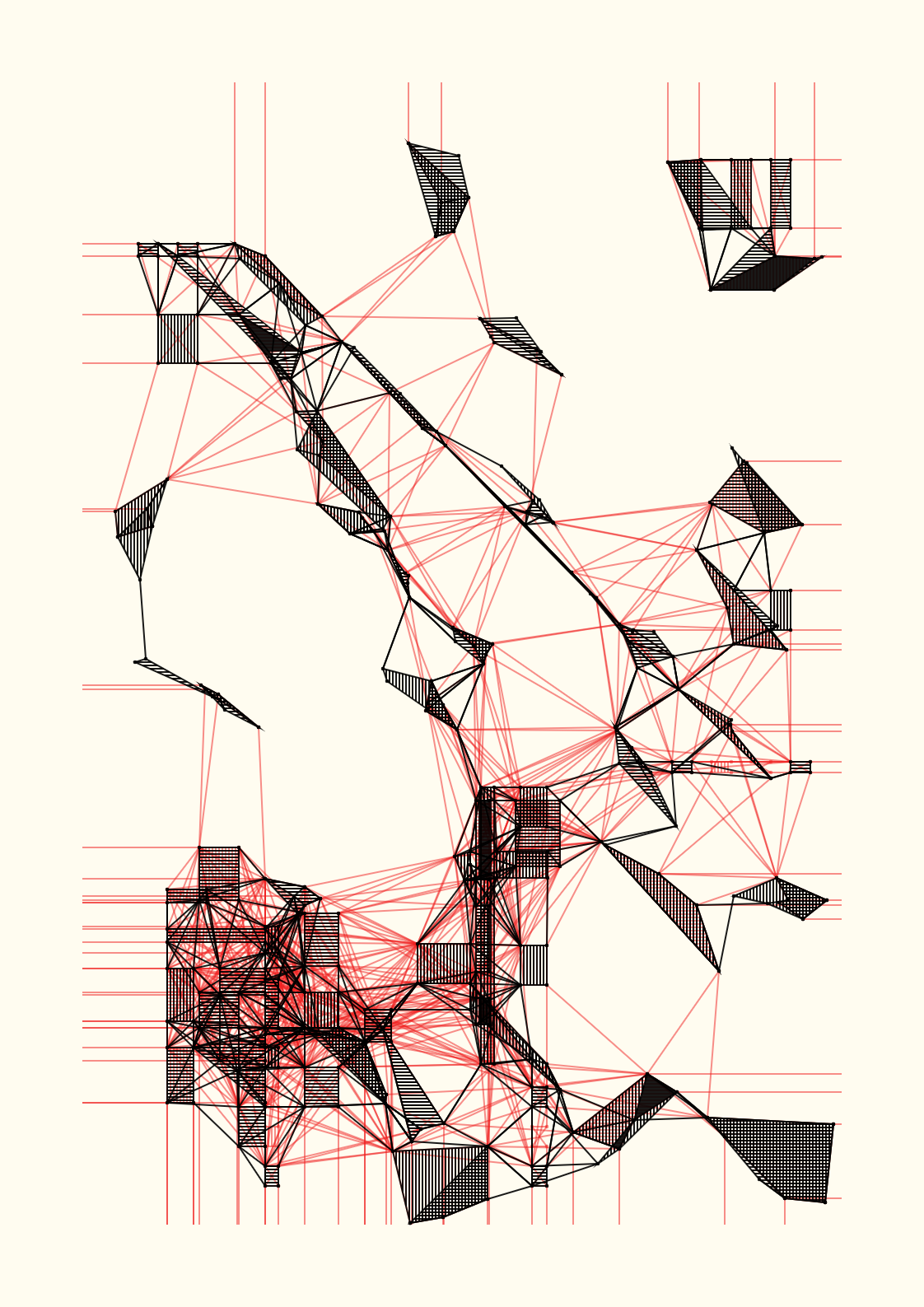
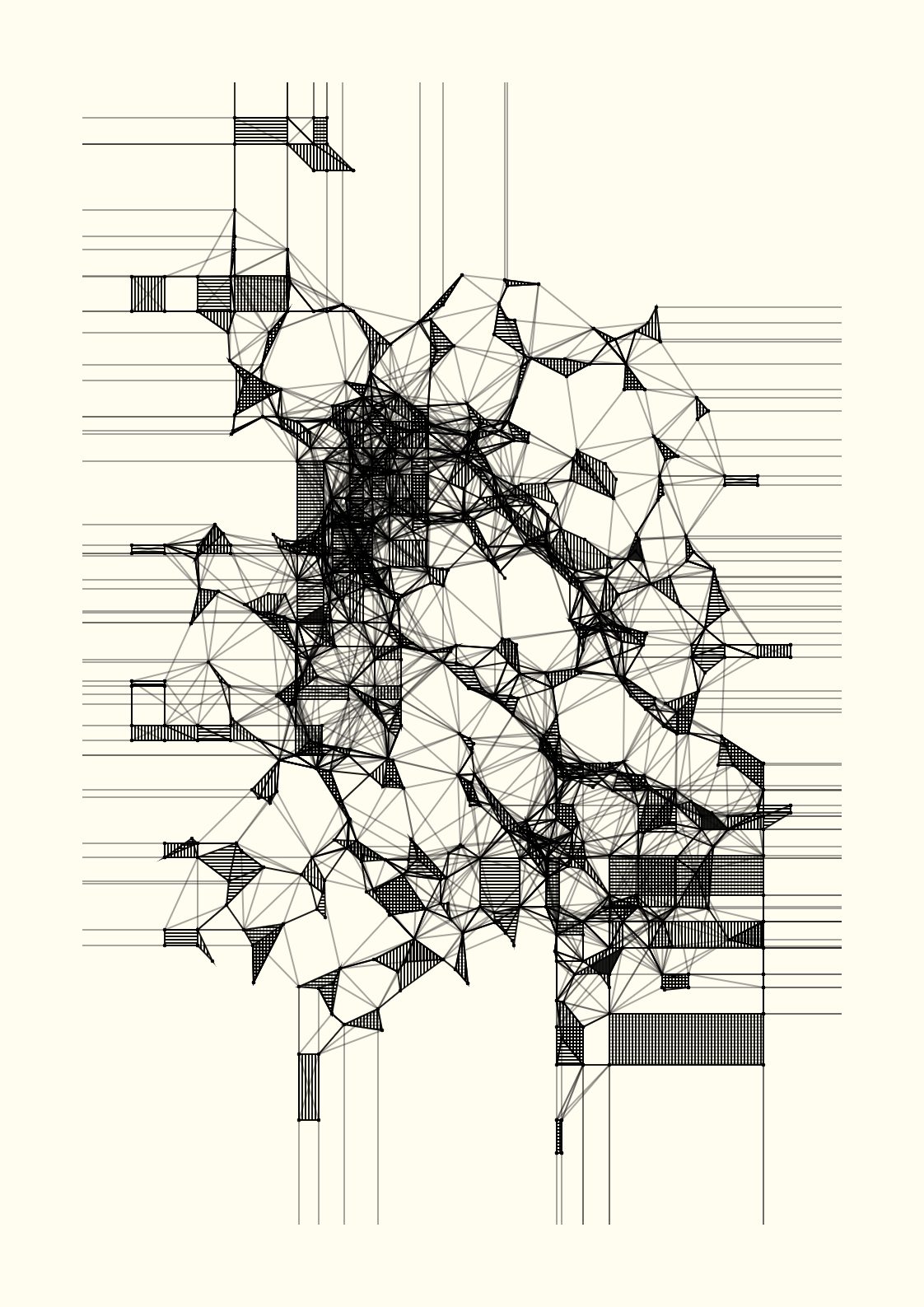
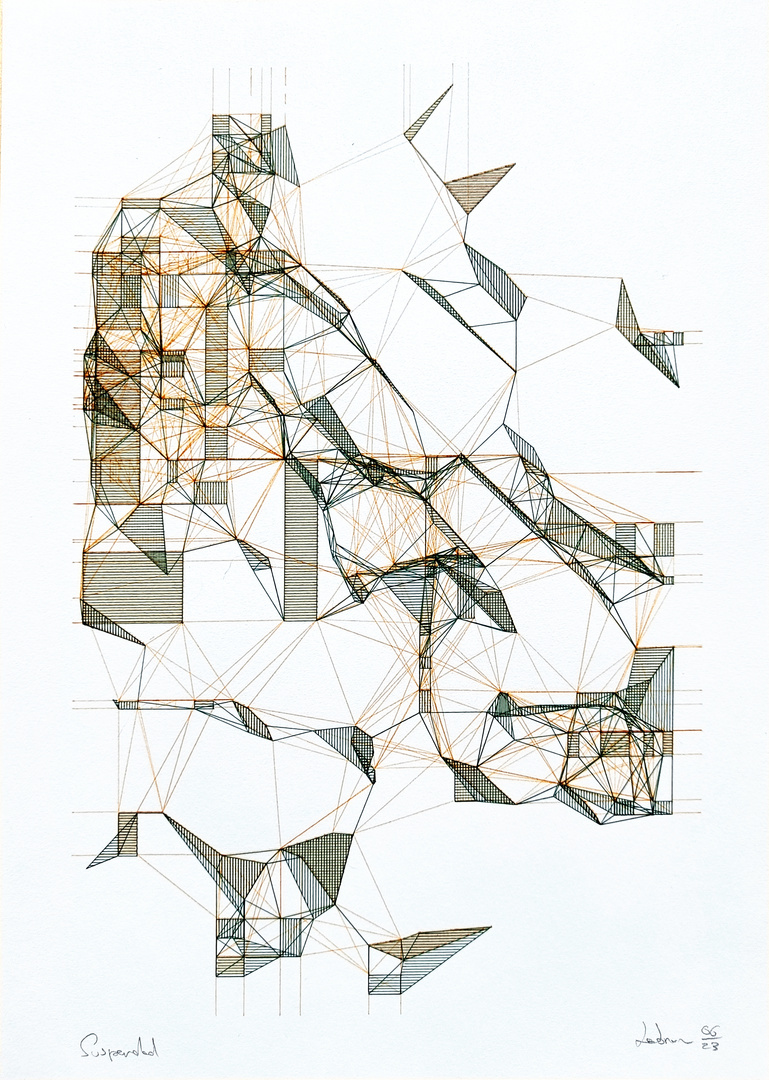
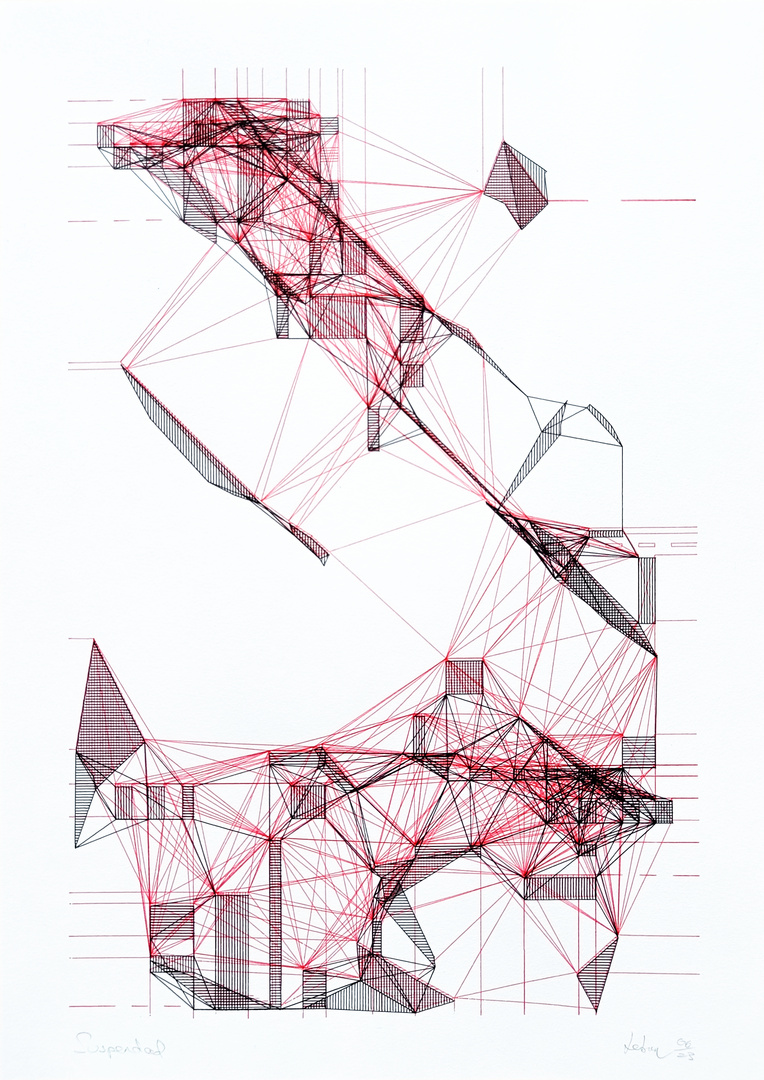
Suspended Polygons is a program that attempts to use the full potential of randomness by superimposing a logic of composition. The aim is to take advantage of diversity by applying the minimum of constraint.
The composition is constructed in several stages. The first stage consists of randomly placing points within a frame. These thousand points will be permanently fixed, and their positions will not change thereafter.
The next step is to create groups and link them together. To do this, the program compares the distances separating them, keeping only the closest, thus forming groups that can accommodate between three and five points. The minimum distance between points is set by the user. Some points can be ignored. Once this comparison is complete, hatchings are drawn within the groups (the selected points).
The instructions and algorithms used to compose this work are based primarily on a system of thresholds and choices. As explained above, points are grouped according to a minimum distance, enabling the formation of coherent groups.
This same principle is used to create links between polygons (groups) by identifying the points closest to each polygon. A third threshold intervenes in the composition by selecting the points closest to the edges of the composition. From these points, lines are drawn outwards, parallel to one of the sides of the sheet, sometimes drawing cells (occupied by crosses, horizontal or vertical hatching).
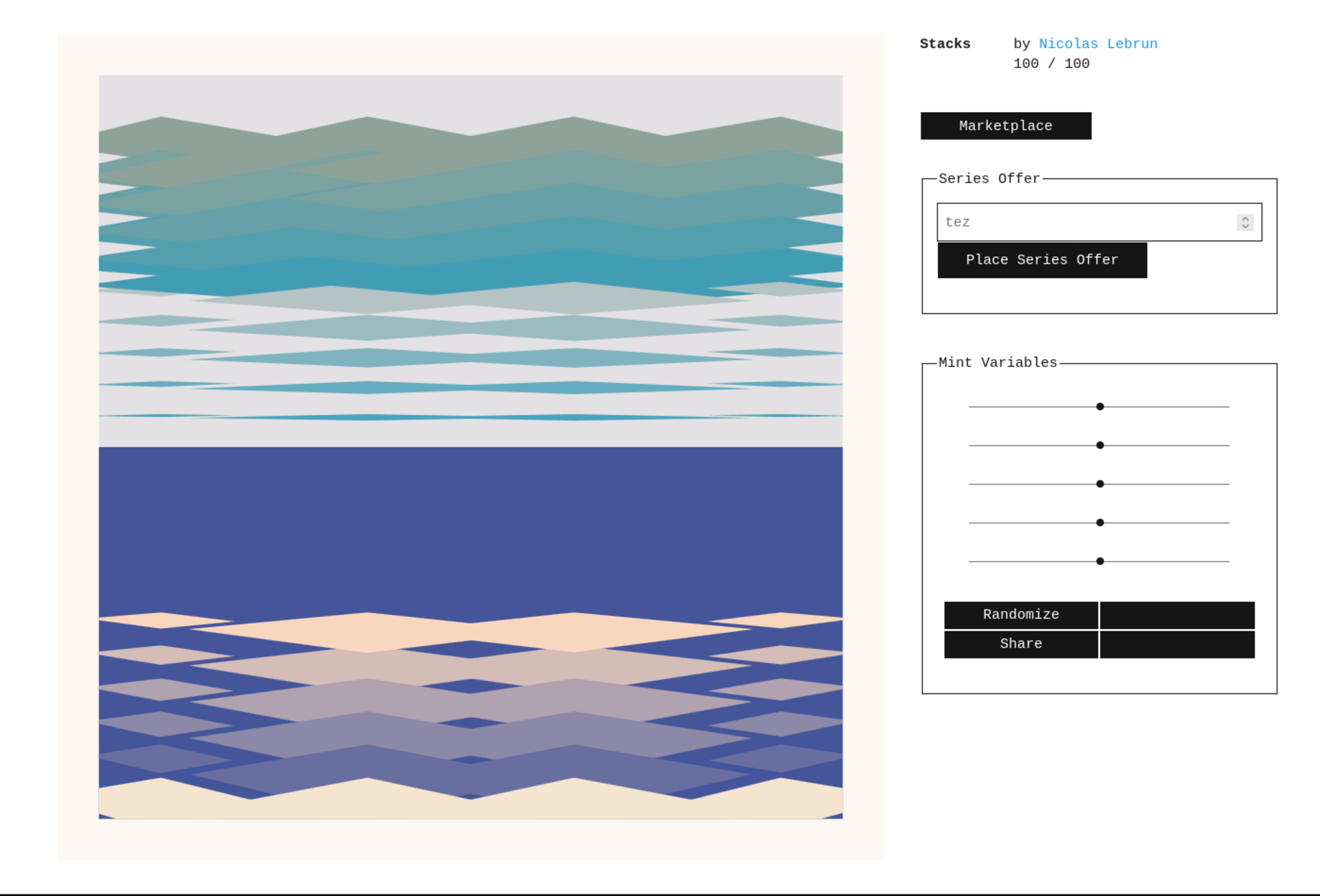
This project is about storage and collecting. The program creates an irregular, oblique grid.
Each cell can be occupied by different shapes; some of these, when extruded, can be stacked by recursion. The result of each iteration of the program is more or less occupied spaces, with higher or lower stacks. In all, the program has 66 different color palettes, the grid can be subdivided in three different ways and stacking occurs with four main shapes, some of which can be superimposed on others.
The process
My previous projects were based on the implementation of rather abstract systems of organisation of compositions, experiments where the use of paper and pen was used to solve a concrete problem that the code posed to me. My use of the plotter pushed me to equip myself and rethink my relationship to drawing and paradoxically it led me to re-draw by hand. It was a question of testing this pen, that ink, to better understand the tool before letting it wear out for four hours on the arm of my robot. In a way, it was also a question of training my hand, by dint of creating perspectives, the drawing itself became a subject of research without my realising it. The starting point of this project was to reproduce with the help of mathematics what my hand used to draw almost automatically. To decompose these drawings into modules to be easily reusable and adaptable. Based on my paper drawings I have established rules for creating each face, the most fundamental of which is that each face must be moved perpendicular to the axis of the row. This is to create an empirical perspective and not something absolute and straight.
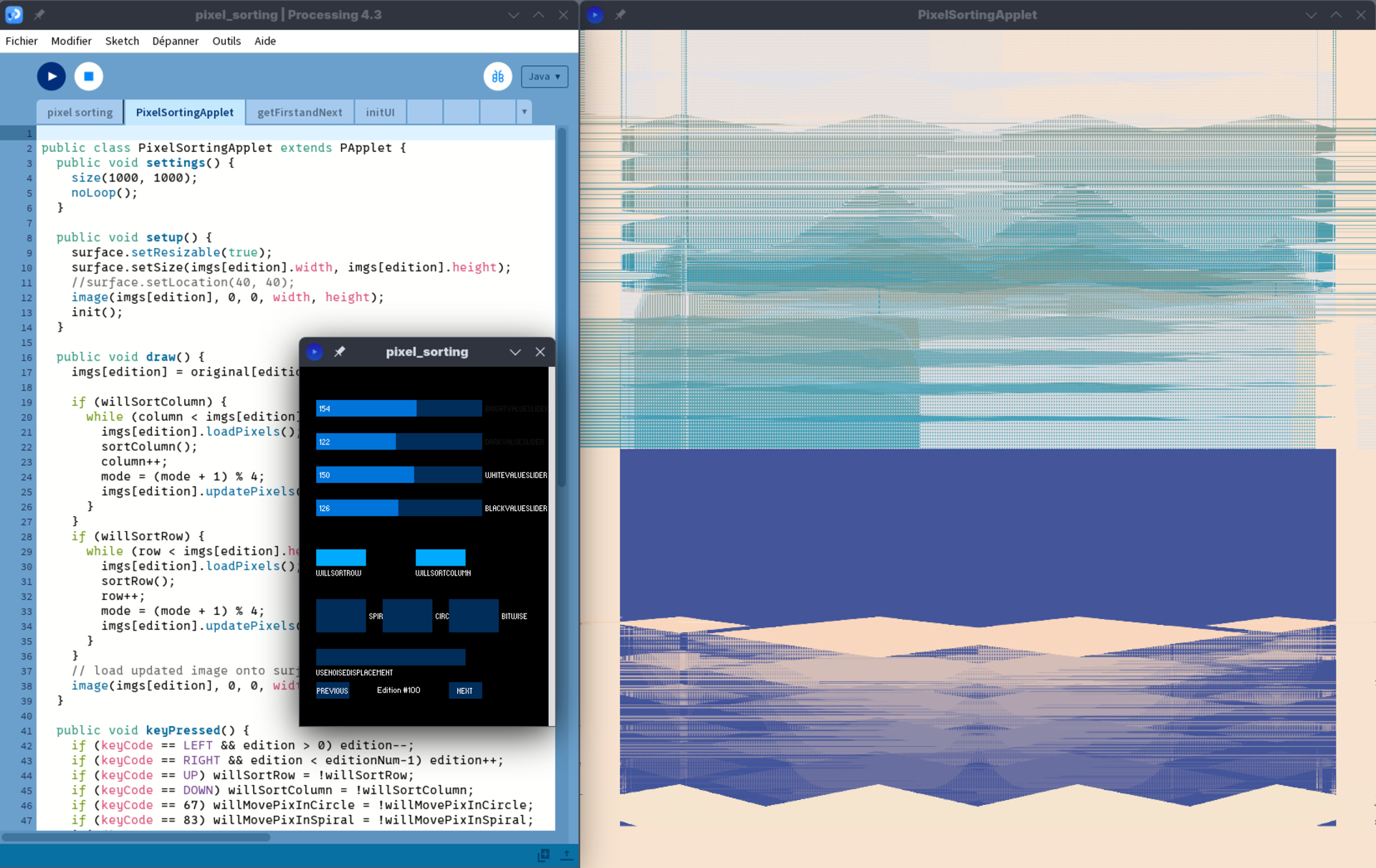
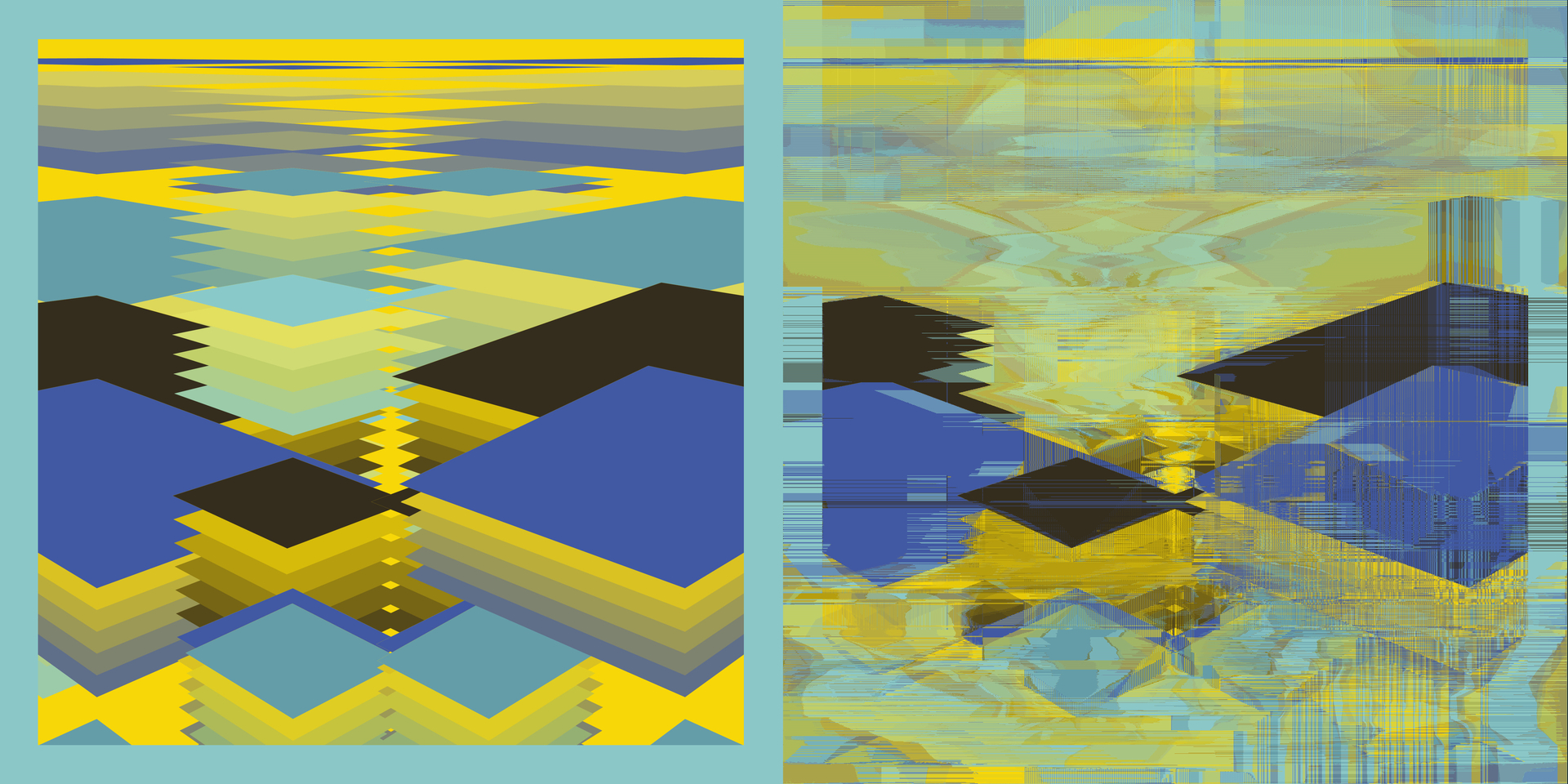
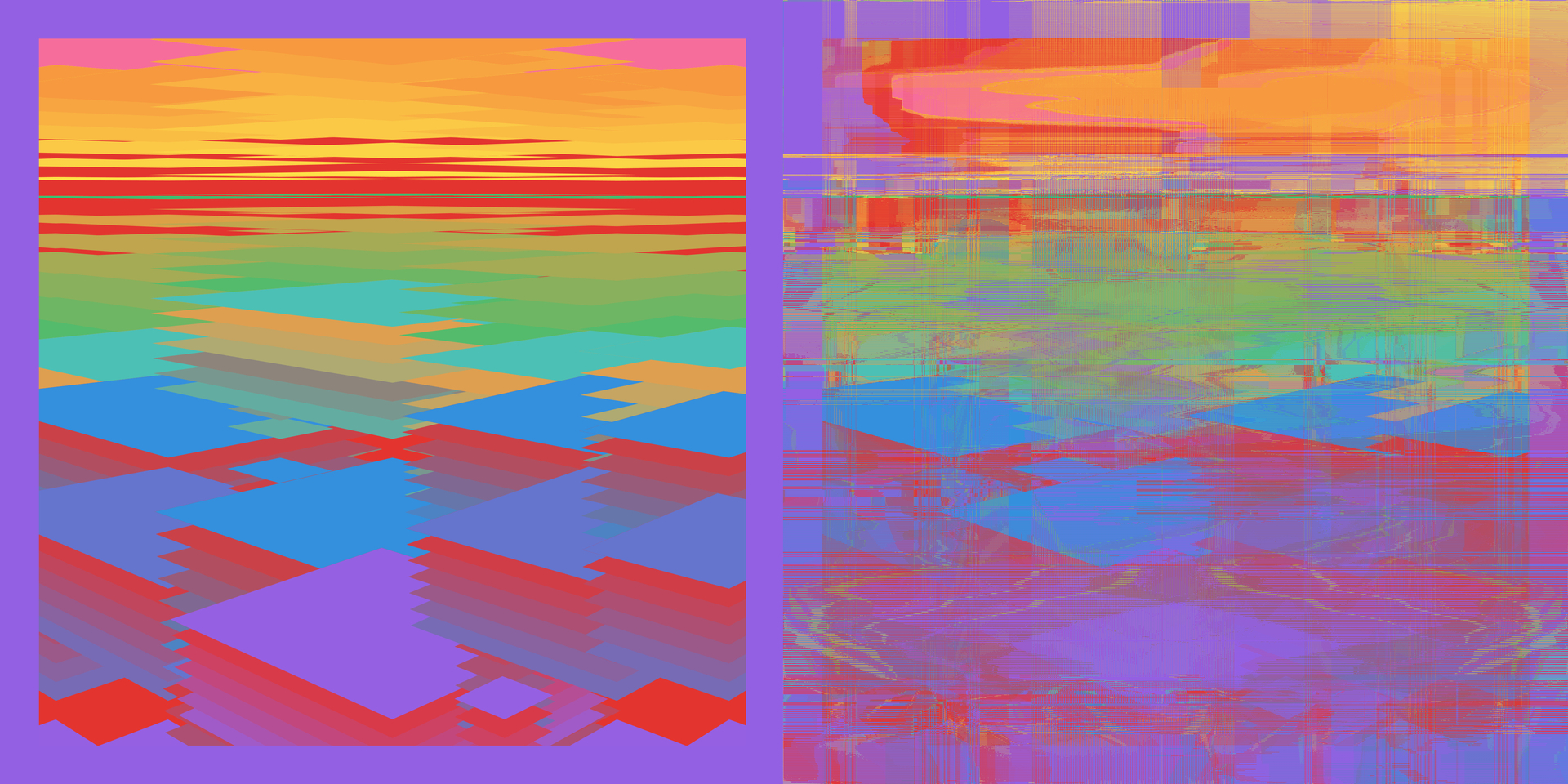
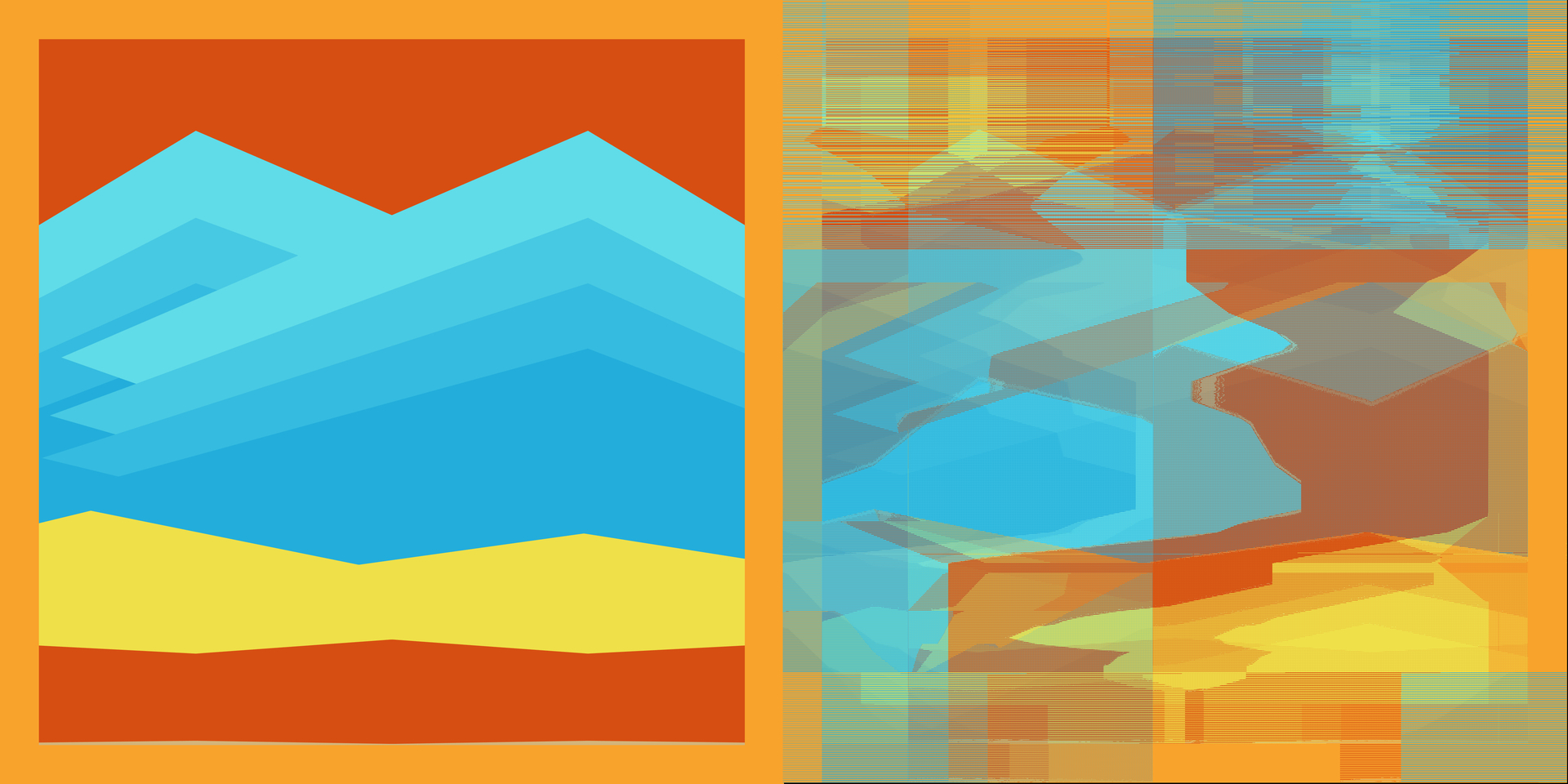
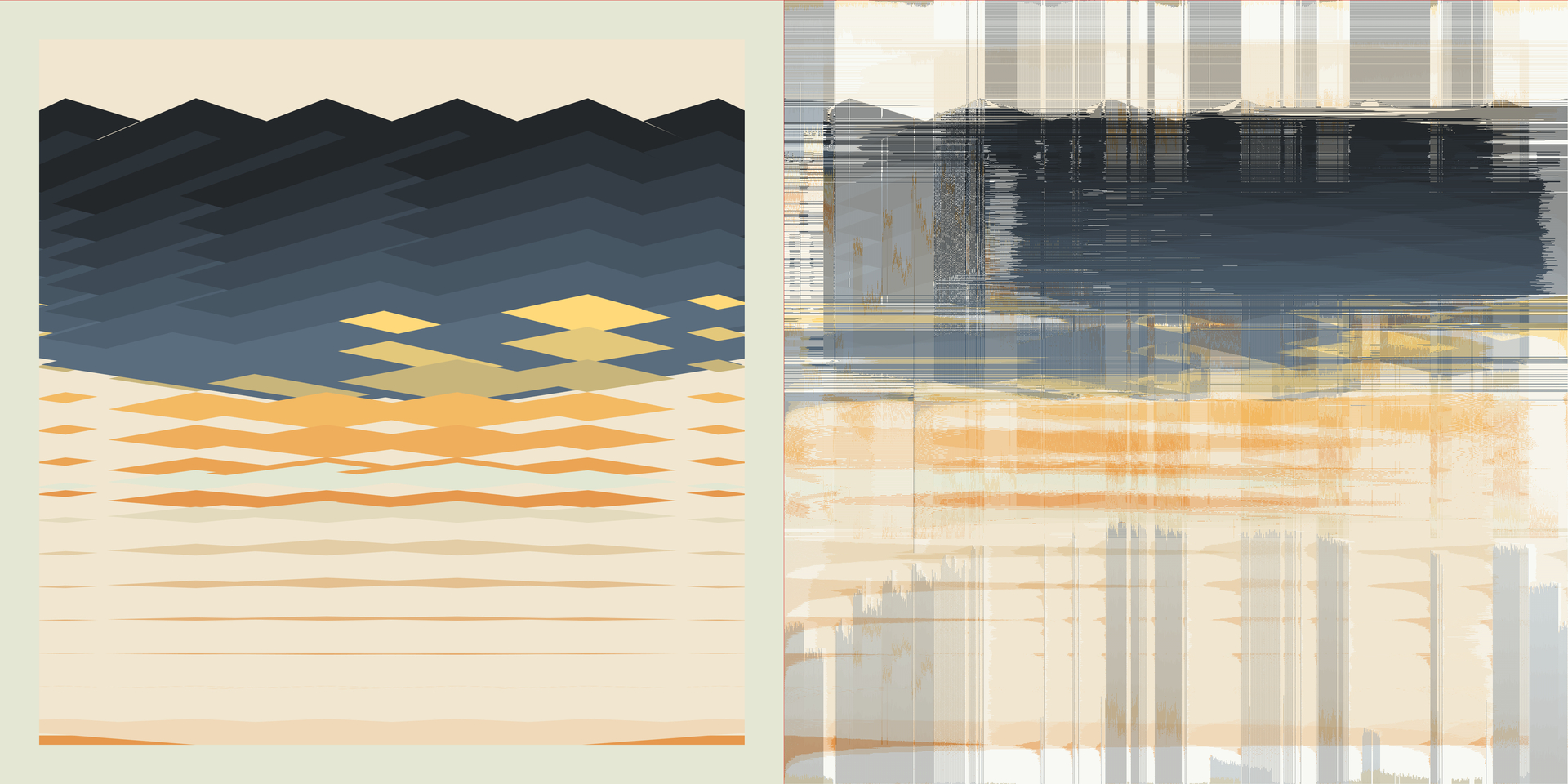
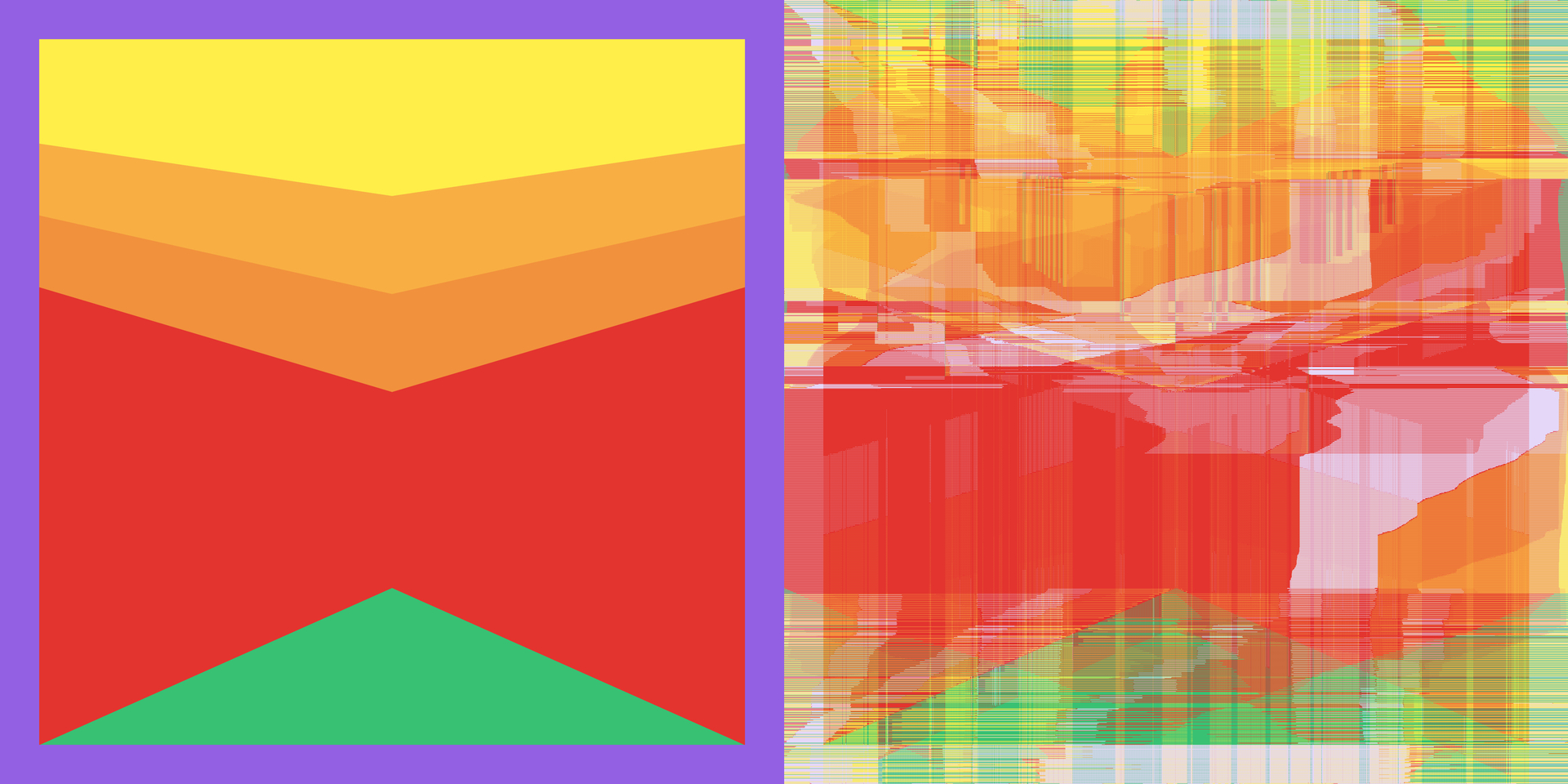
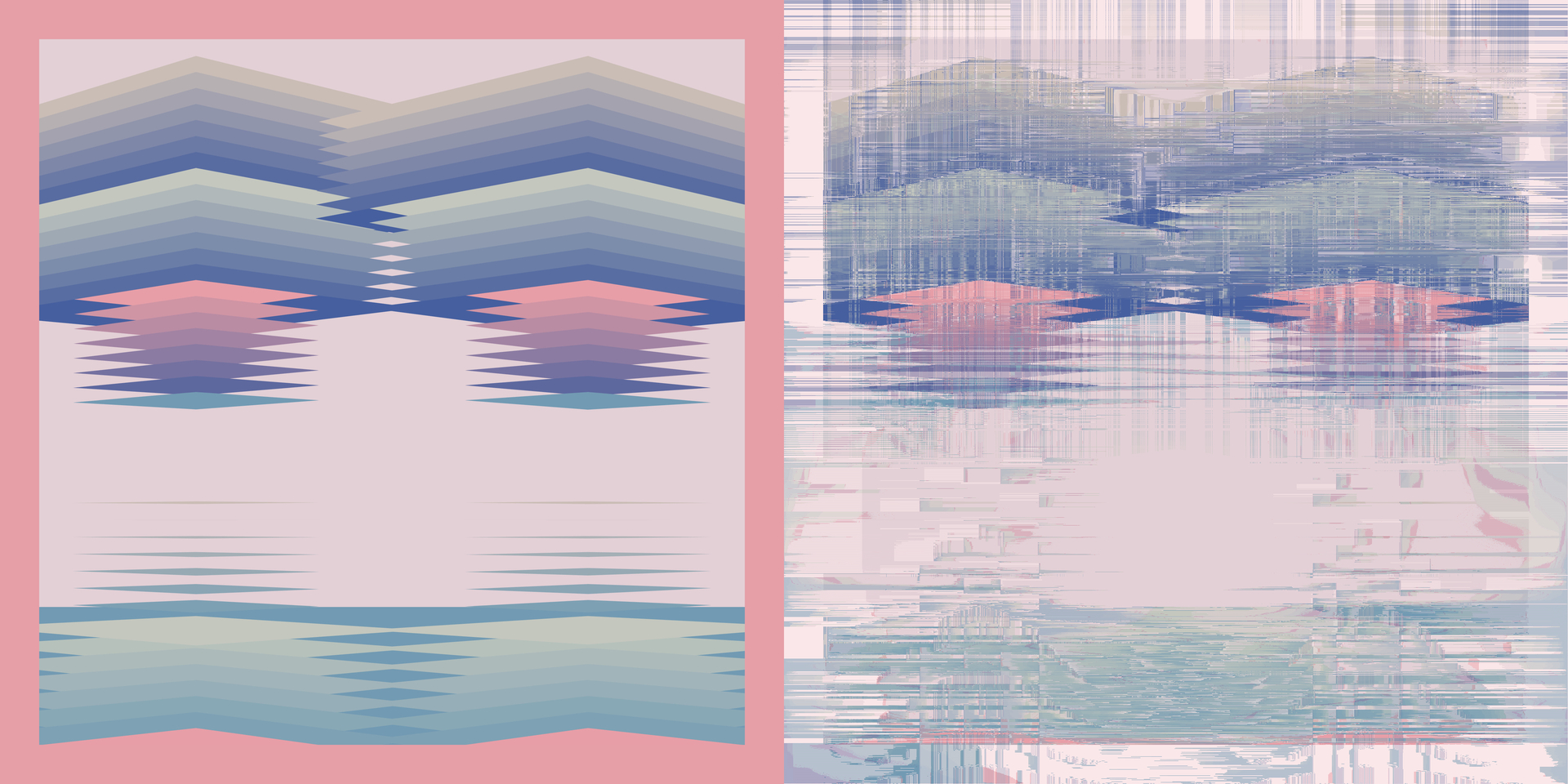
Stacks and Stacks Unstacked are two series that operate through exchange: the collector who co-creates an edition of Stacks receives another as a gift. This new edition is generated from the visual of the first edition; to do this, a program that sorts pixels by brightness or contrast is used to obtain an alternative version of the first work it has just created.
This process explores the modalities of generative art within the blockchain; it is an experiment involving, on the one hand, configurable works that result in editions available instantly, and, on the other hand, works produced locally on the artist’s computer to be sent back and uploaded to the network after a certain delay (human labor).
Although both involve algorithmic art and protocols, the two programs and the editions they generate do not share the same properties. The program that generates the configurable editions is fixed; the same protocol is applied to co-create all 100 editions, with only the parameters chosen by the user changing.
This first program is very simple; it stacks faces by tilting them according to two vanishing points. The user can change the number of stacks, the number of planes that compose them, the position of the vanishing points, and the colors used to draw the composition.
The second program evolves throughout the creation process; the code changes based on the compositions created using the first protocol. The artist can add or remove conditions and adjust the various thresholds that allow them to arrange the pixels in the Stacks editions. The Unstacked Stacks generator includes a graphical interface (similar to Stacks’) that also allows users to fine-tune the settings used to generate the unstacked version.
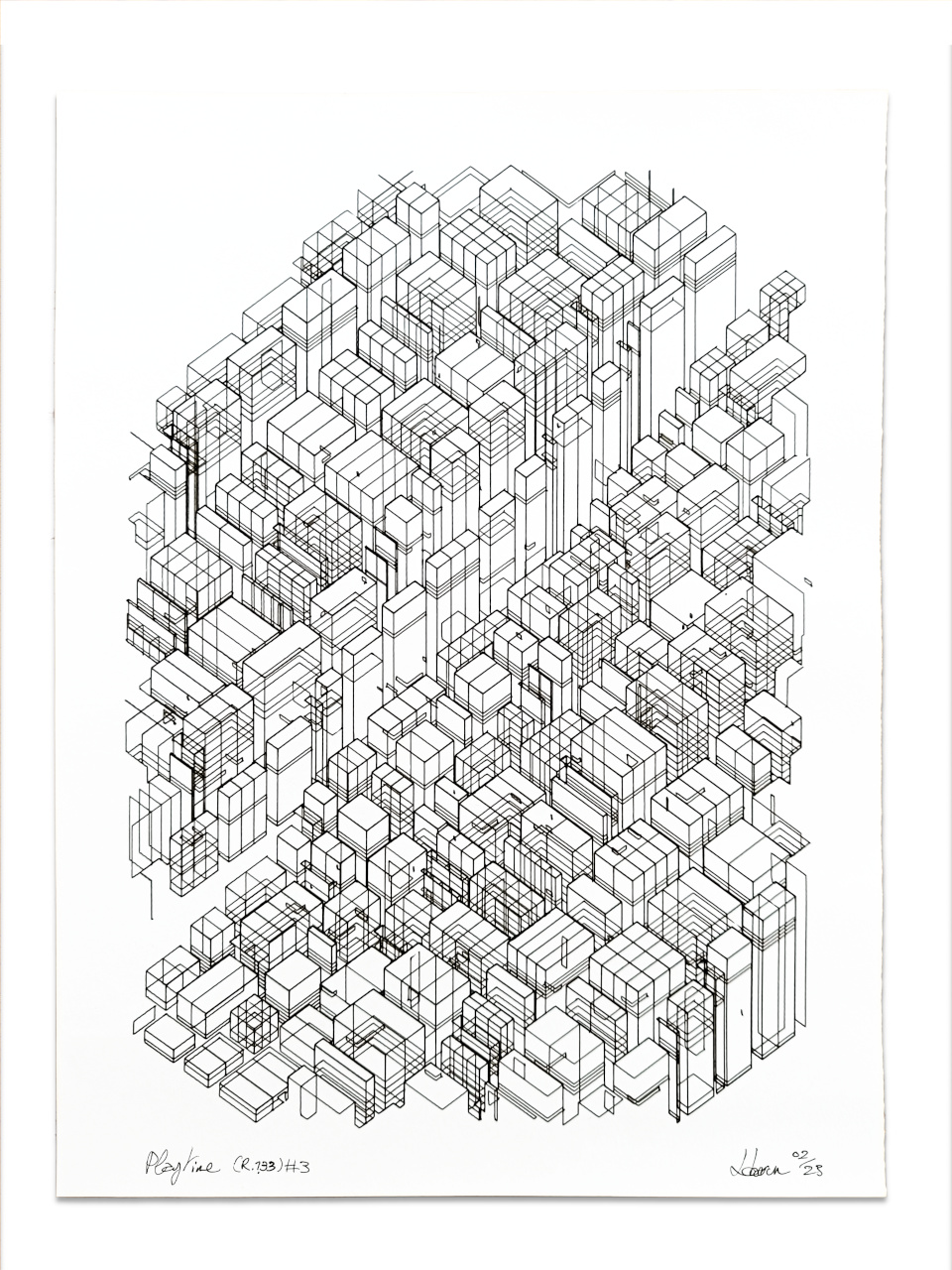
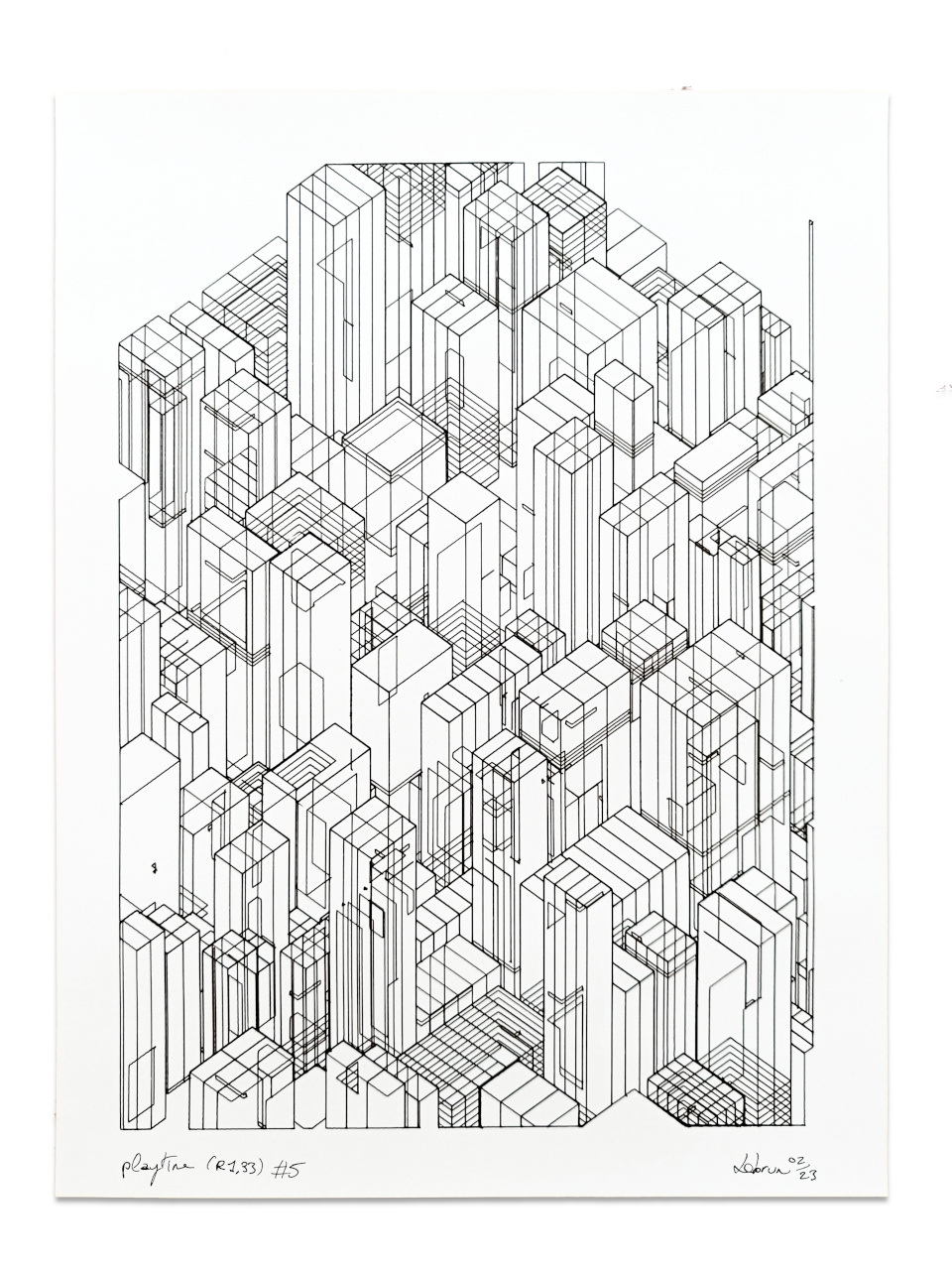
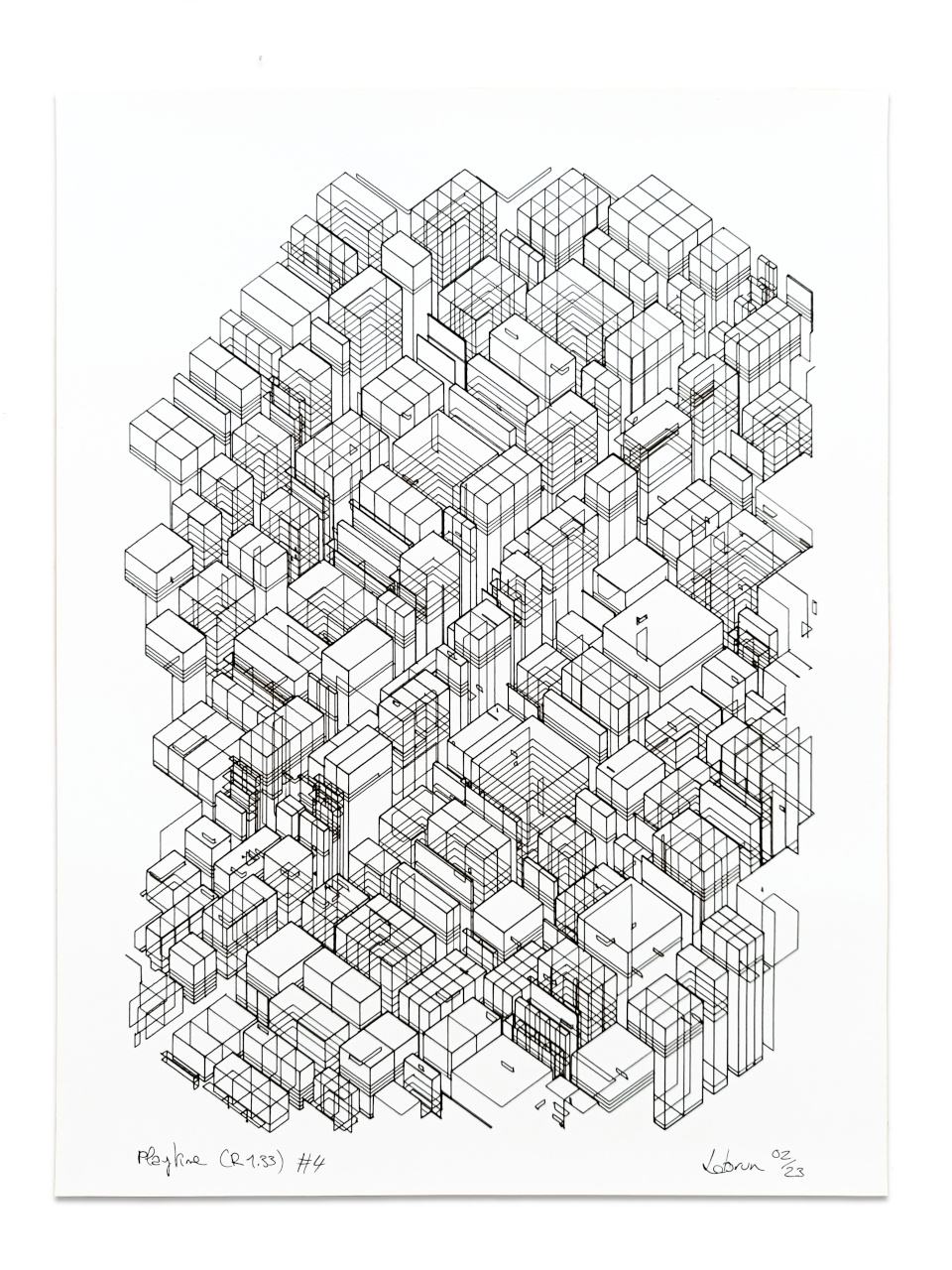
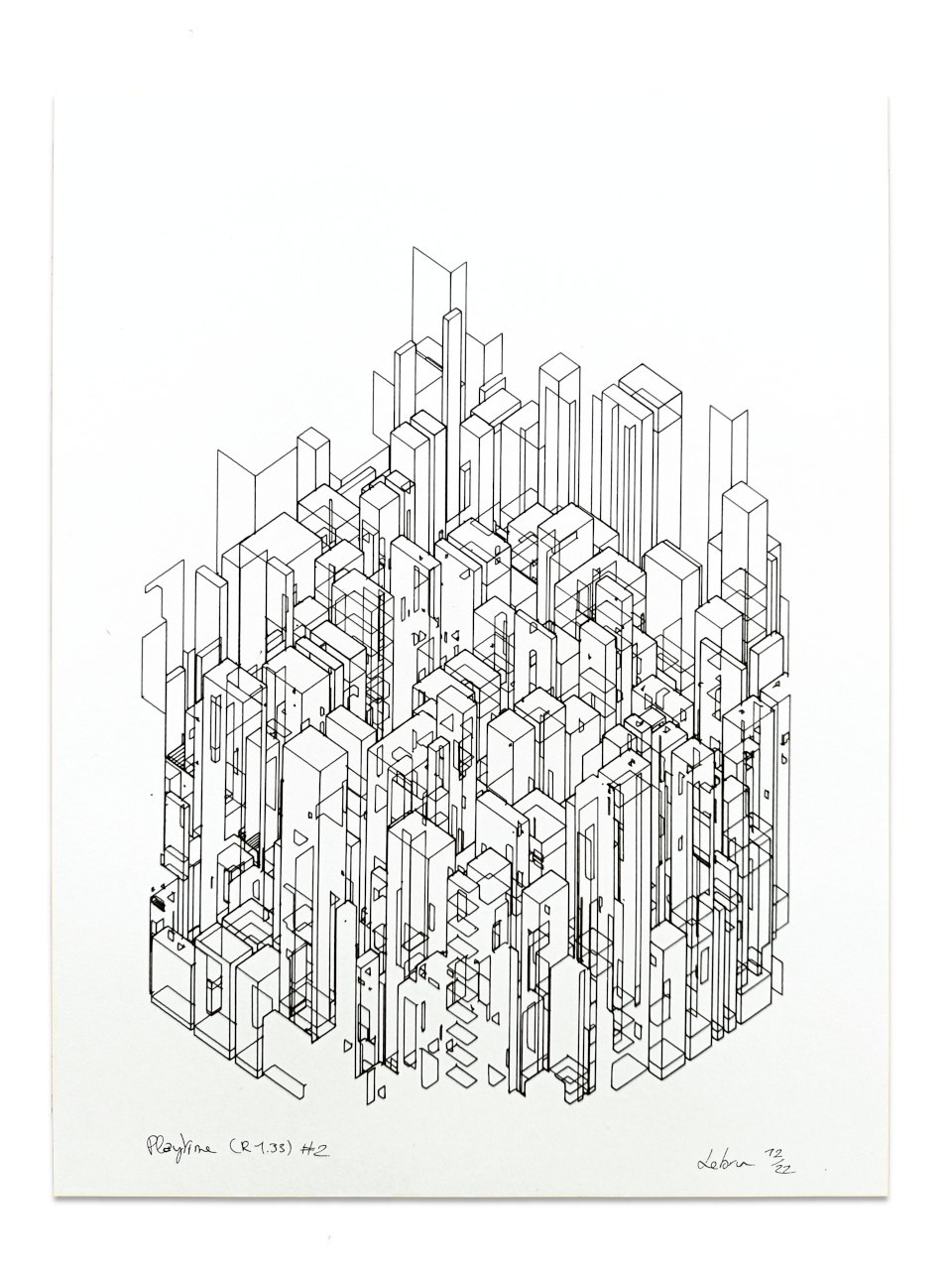
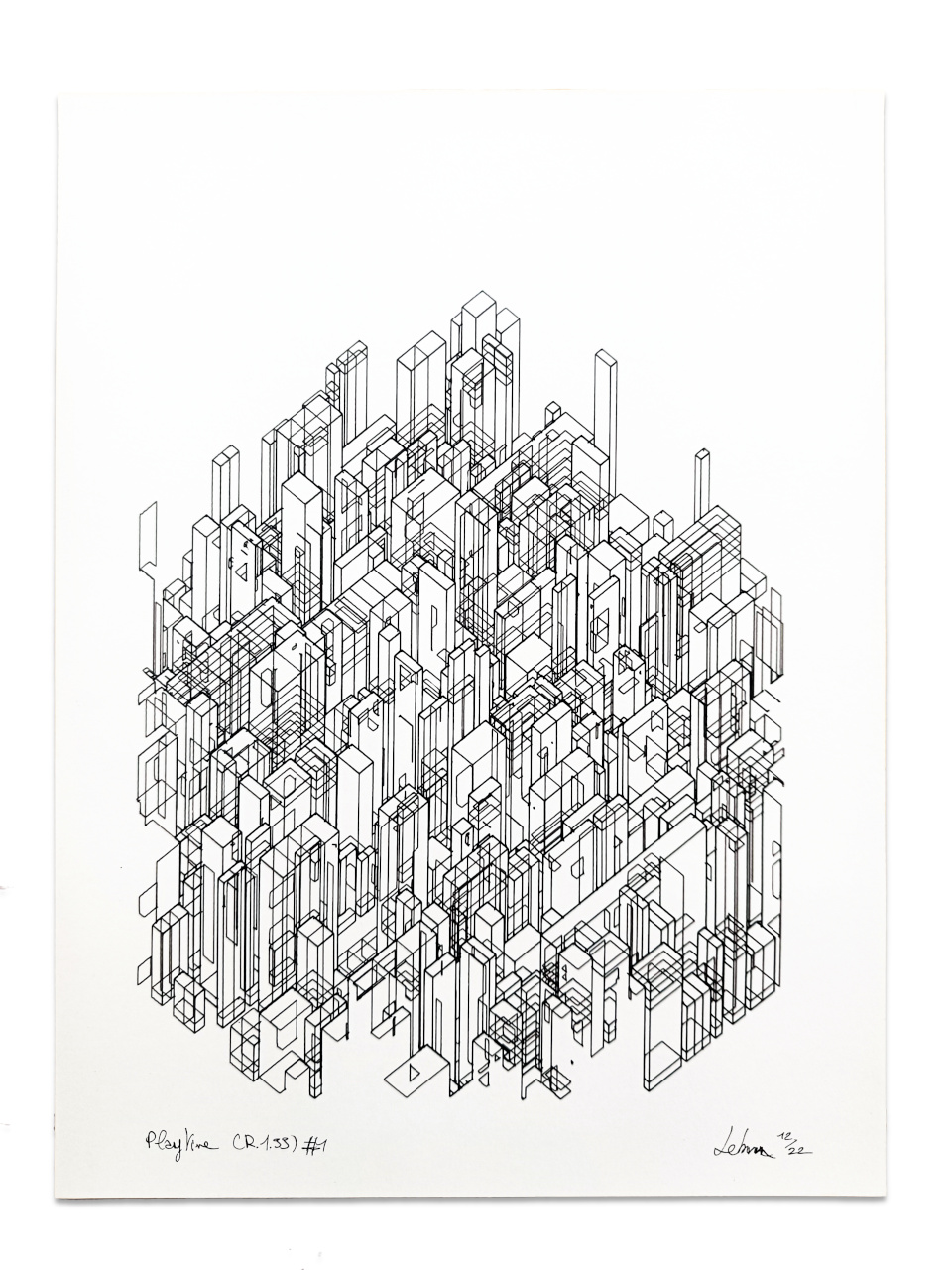
This project, like most of my work, is about order and disorder.
The grid, the archetype of order, is used to arrange a set of rectangles. These rectangles are then extruded to become blocks/boxes. Here the perspective is created by means of a formula of projection of points on an isometric plane. Depth of field only exists because a sequence of instructions erases the background as the composition is built.
Order is also present in the succession of each of these steps. And disorder? It is very subtle, insidious, but nevertheless it exists in certain details within these blocks. These are details that do not follow the general shape of the box, residual, forgotten parts of blocks that have been erased.
—
The title Playtime refers to the film (1967) by Jacques Tati, the cubes generated here evoke the settings of the film (the exteriors of this modern city and certain interior settings such as the open spaces). The analogy is made in the perception of these spaces, thanks to the use of the depth of field of the glass and the reflections.
A link is also made through the film’s few dialogues. The characters do not really understand each other, they speak several languages (French, English, German and some are not subtitled). The misunderstanding arose during the writing of this programme in the form of a bug, an error in the way of erasing certain parts of the composition in the background. Once the error was corrected, the composition offered little interest because the volumes described were perfectly solid, eliminating any perception of depth. This misunderstanding of the way my programme works gave place to a singular perception of space and depth.